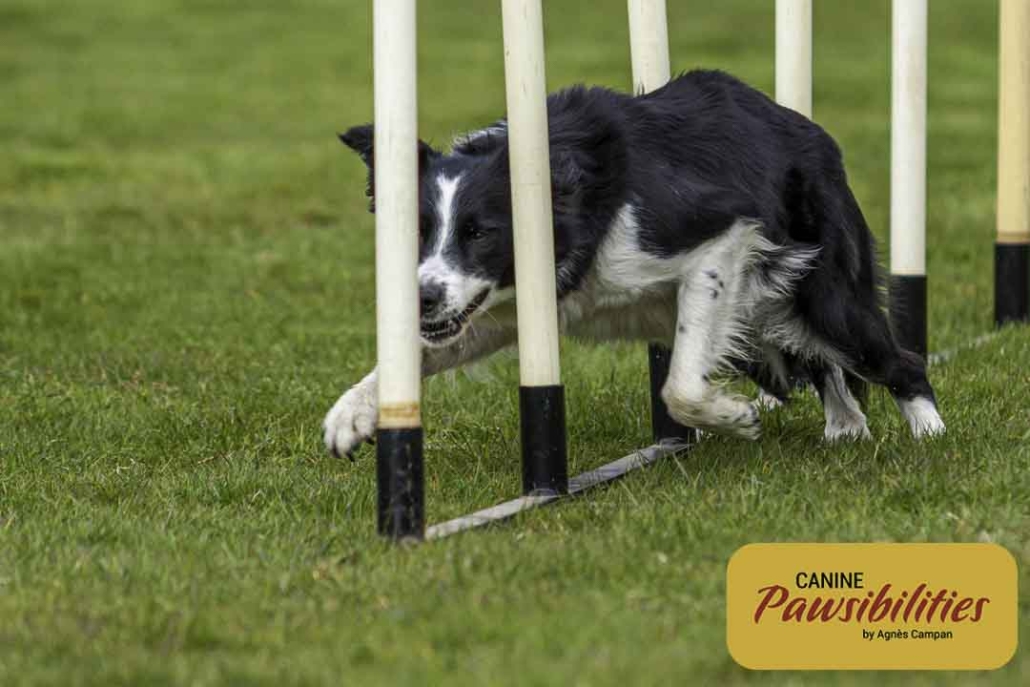
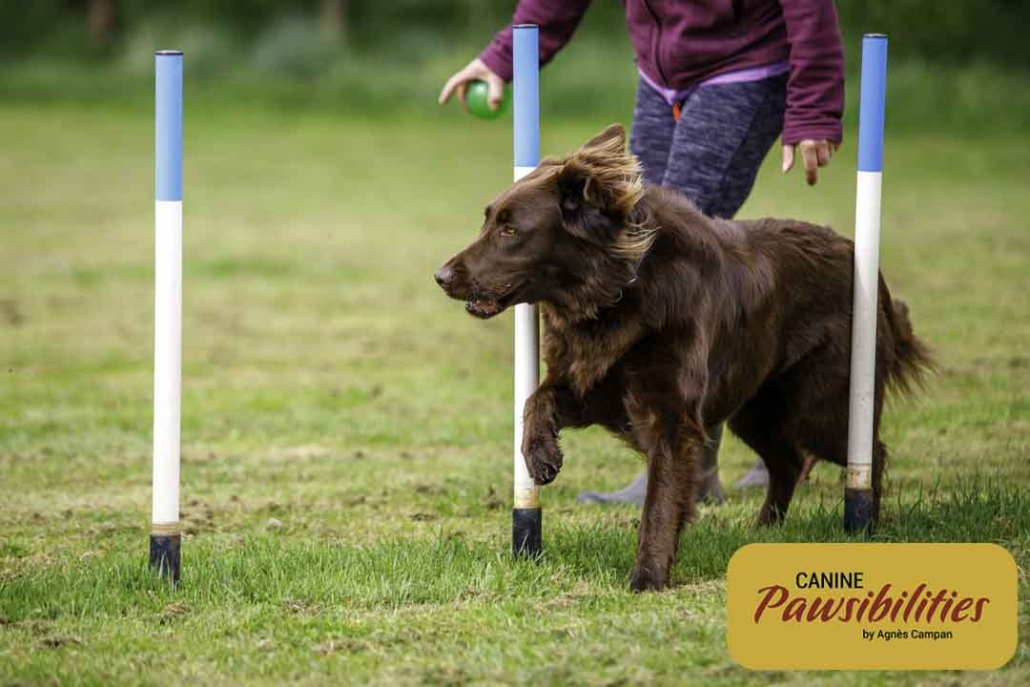
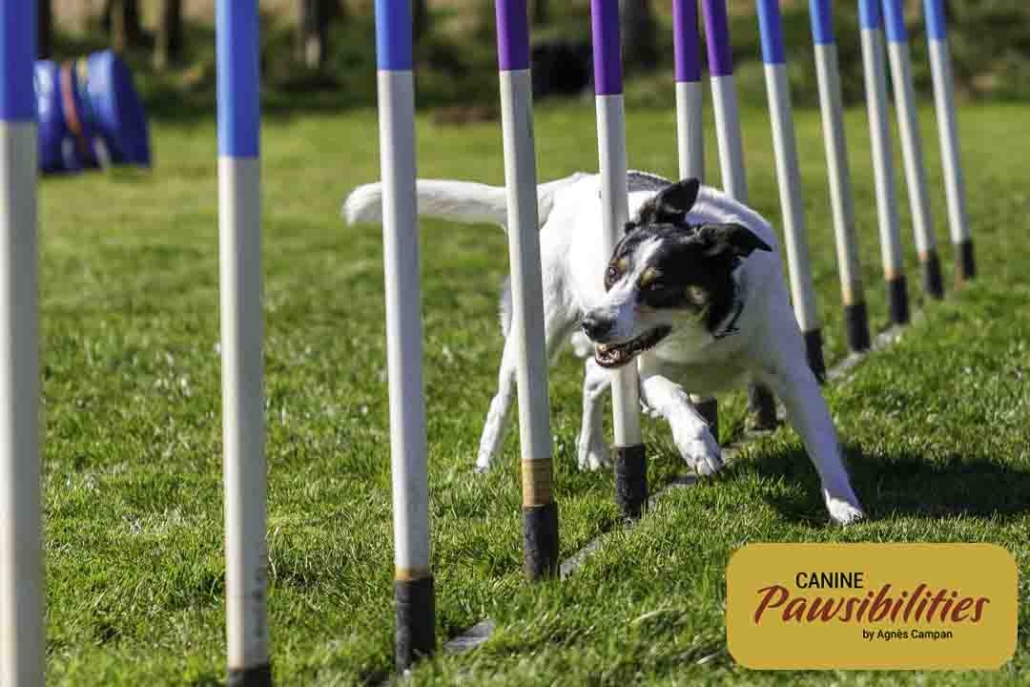
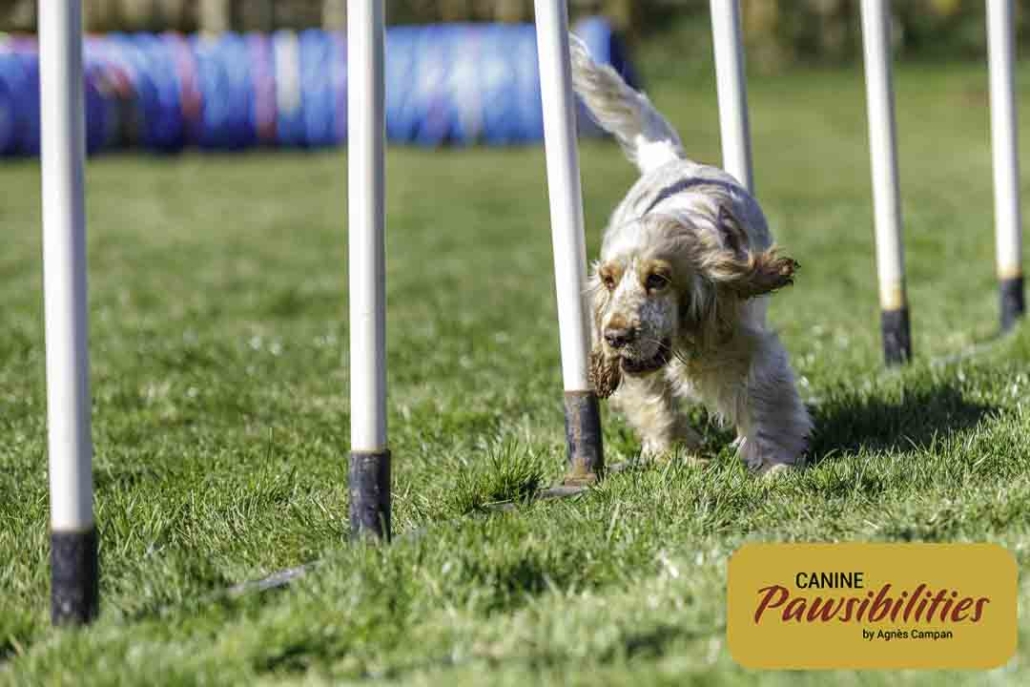
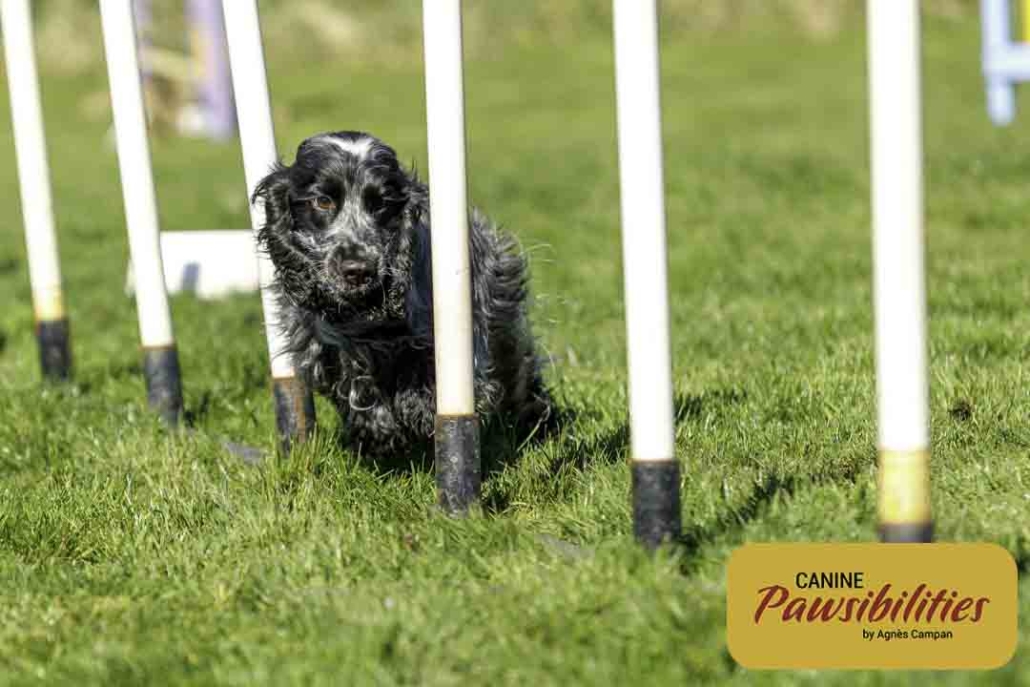
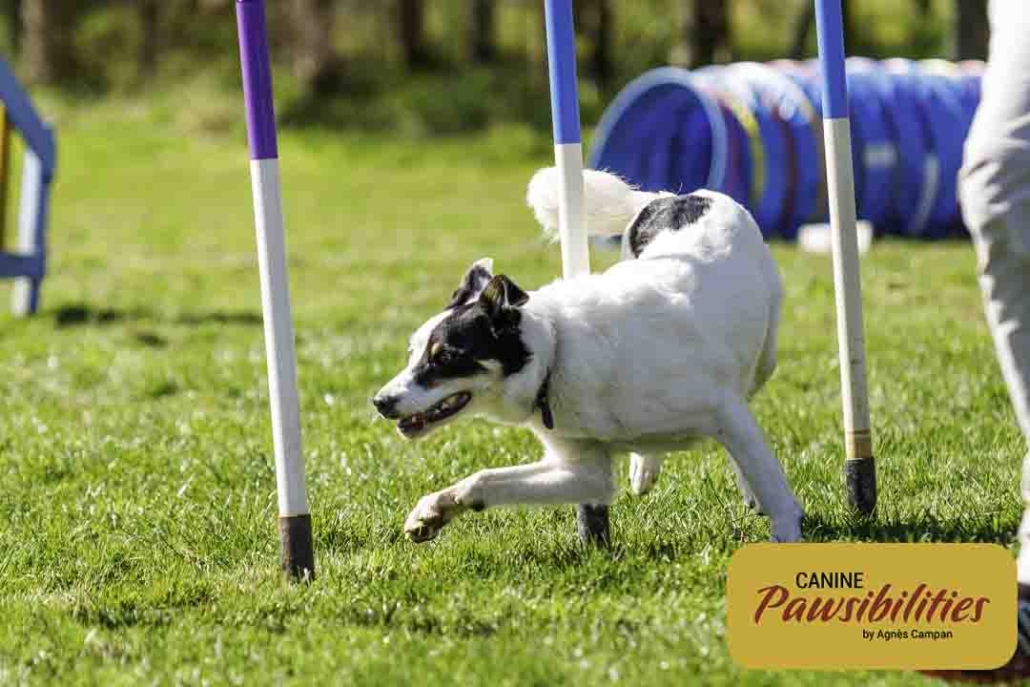
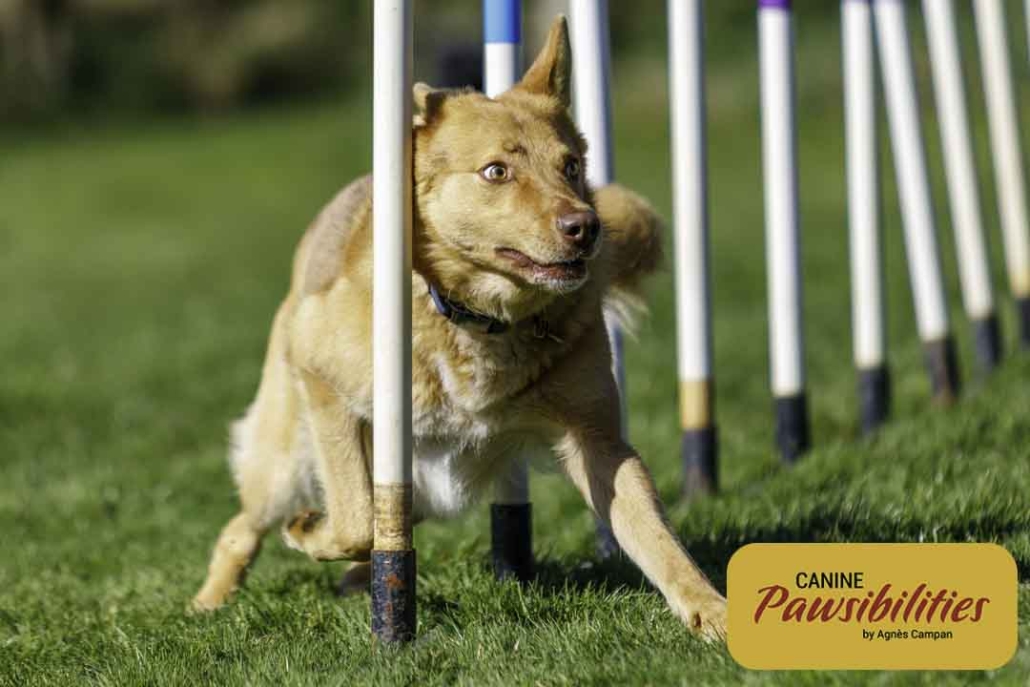
In dog agility, the weave poles often provide a mesmerizing test of precision and speed. Watching a dog navigate a tight line of upright poles, flowing seamlessly from one to the next, is truly a spectacle.
In the UK, agility competitions, governed by bodies like the Kennel Club, have specific rules regarding the weave poles. A set of 6 or, more commonly, 12 poles, spaced 60cm apart, must be negotiated cleanly and in the correct sequence. Judges meticulously observe each run, looking for faults such as missed or incorrect entries (the dog must always enter the weaves to the right), incorrect exits, or skipped poles, which can result in penalties or disqualification.
The journey to achieving speed and precision through the weaves requires dedicated training. Handlers utilize various techniques to teach their dogs the crucial skill of entering the poles correctly and maintaining a smooth, continuous weaving motion. These training approaches aim to build the dog’s understanding of the task, gradually increasing their speed and accuracy as they confidently navigate the obstacle.
The placement of the weave poles within an agility course is crucial to the overall challenge. They are often strategically positioned after a sequence of jumps or tunnels, requiring the dog to maintain speed and focus while transitioning to a different type of movement. A well-placed set of weaves can significantly impact the overall time and test the handler’s ability to communicate effectively with their dog at speed.
And speaking of speed, the top agility dogs are astonishingly fast through the weaves. These canine athletes can navigate a full set of 12 poles in just a few seconds – a blur of motion and incredible athleticism. Their ability to maintain stride and bend their bodies with such agility is a testament to both their natural talent and the dedication of their handlers.
Click here to add your own text