Treats aren’t bribes
 Myth: “If you use treats, you are bribing your dog”
Truth: Treats are a positive reward — payment for a job well done! Just like we get paid for work, dogs need motivation to learn new skills.
Using treats isn’t bribery – it’s giving your dog a clear, positive signal that they did the right thing. Treats or toys can both be used as rewards for any age, but with very young dogs, treats are usually the easiest and most practical option.
As training progresses, you can keep things fun and engaging by mixing in different kinds of rewards alongside food:
- Toy Rewards: a quick game of tug, fetch, or chasing a favourite toy.
- Praise: enthusiastic verbal encouragement, petting, or tummy rubs.
- Life Rewards: letting them go outside, sniff around, or explore a new area.
- Challenges and experiences: learning a new trick, navigating a short obstacle, or solving a puzzle toy.
By varying rewards, your dog stays motivated and engaged while building positive associations — training becomes an enjoyable experience for both of you.
Which are your dog’s favourite toys?

When people ask what to bring along to training sessions —whether it’s to our Agility, Hoopers, 1-2-1 Life Skills, Puppy, or Junior classes—we always say: Bring some of your dog’s favourite toys
Of course, as dog owners, we all have that overflowing toy box, but we want to know: What’s the toy that your dog really loves
- The squeaky one?
- The half-destroyed teddy?
- The chewed-up ball?
- A stolen sock?
Keeping Canine Athletes in Top Form
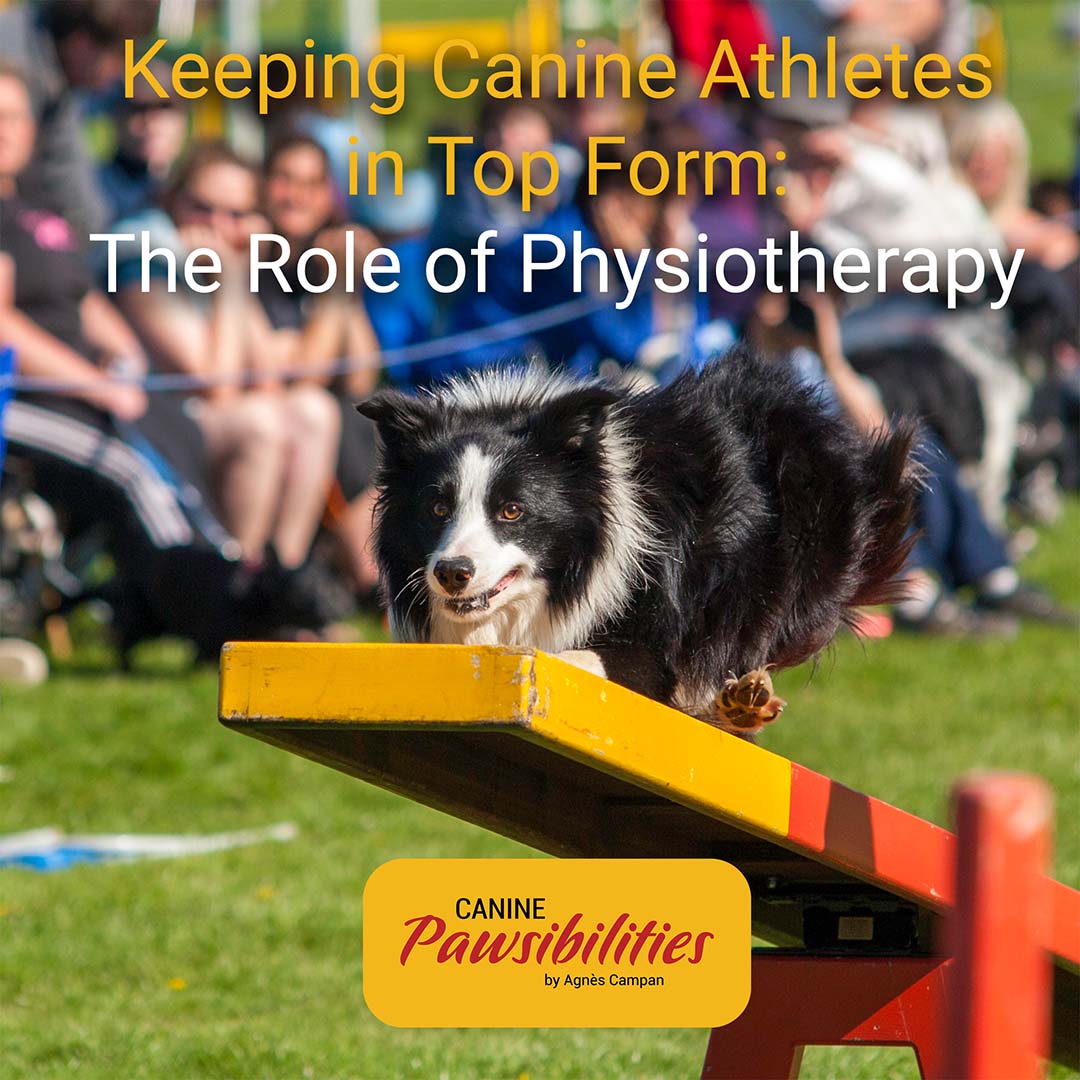
Sporting and working dogs are particularly at risk for acute, traumatic injuries.
Typical issues we see are:
- Muscle strains
- Ligament sprains
- Paw problems
- Spinal injuries
Insufficient muscle conditioning and/or muscular imbalances increase the risk of injury. Predisposition factors such as limb inflexibility or hypermobility, inadequate warm-up, and muscle fatigue can increase the risk of injury.
Did you know that Canine Physiotherapy plays a crucial role in both preventing and treating these issues?
Canine Physiotherapy for Prehabilitation – To decrease the risks of injuries occurring:
This involves identifying and addressing musculoskeletal weaknesses and overcompensation dysfunction — where muscles are overworked to compensate for reduced joint function or weakness in other areas.
Canine Physiotherapy for Rehabilitation – Speeding up recovery post-injury or surgery:
This includes reducing pain and swelling and restoring natural range of motion. It also focuses on rebuilding strength, balance, and proprioception to restore the dog’s natural gait and freedom of movement.
Don’t let a sports injury sideline your dog.
Contact CANINE Pawsibilities today to discuss how our tailored physiotherapy plans can help!
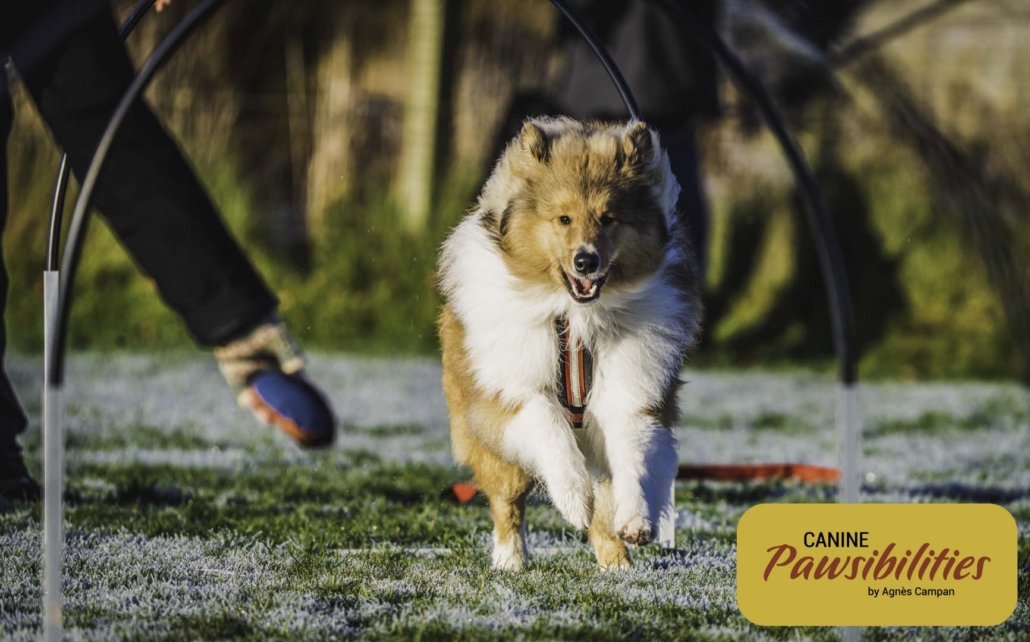
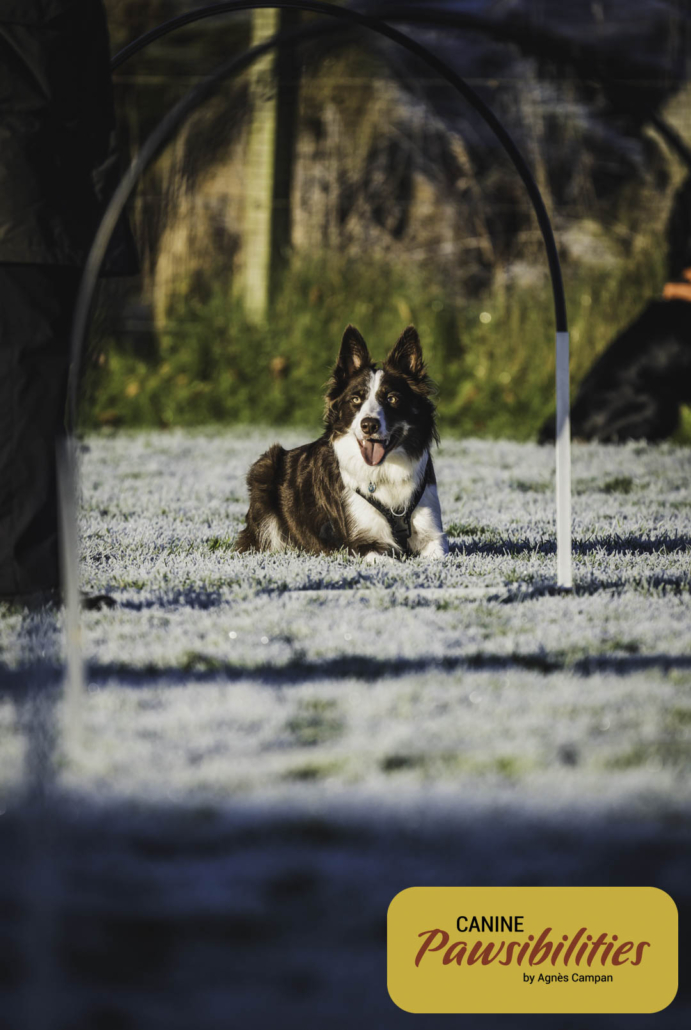
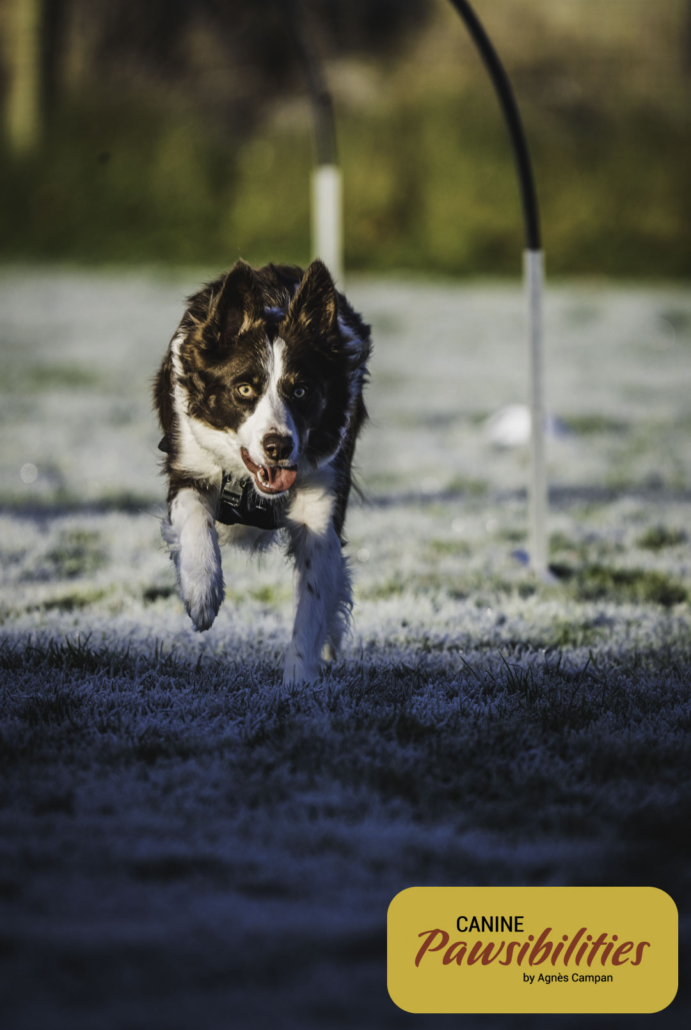
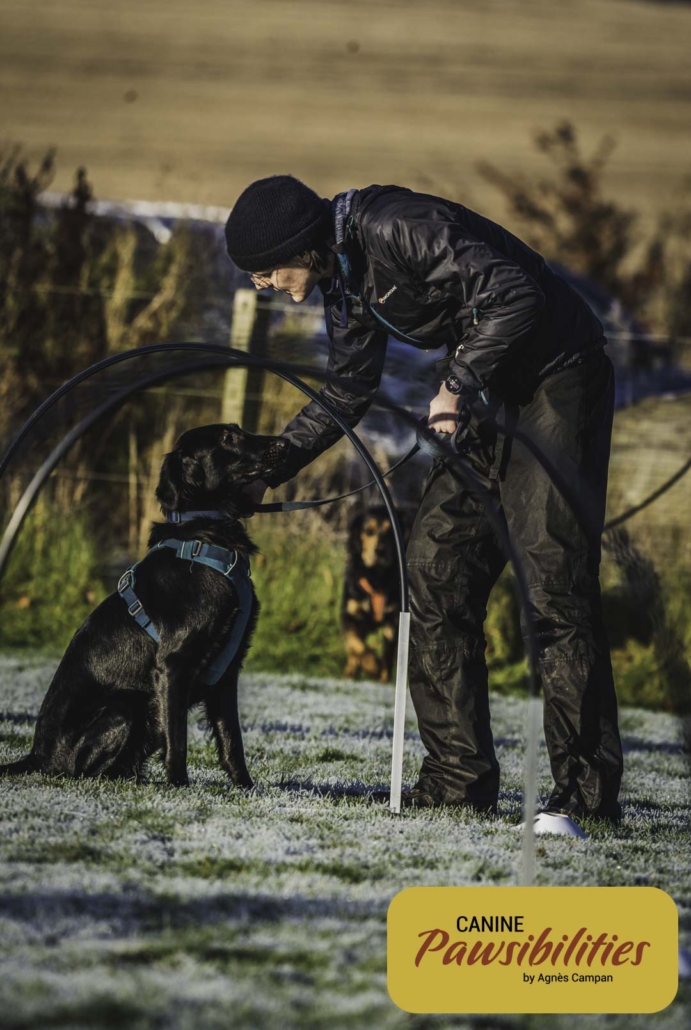
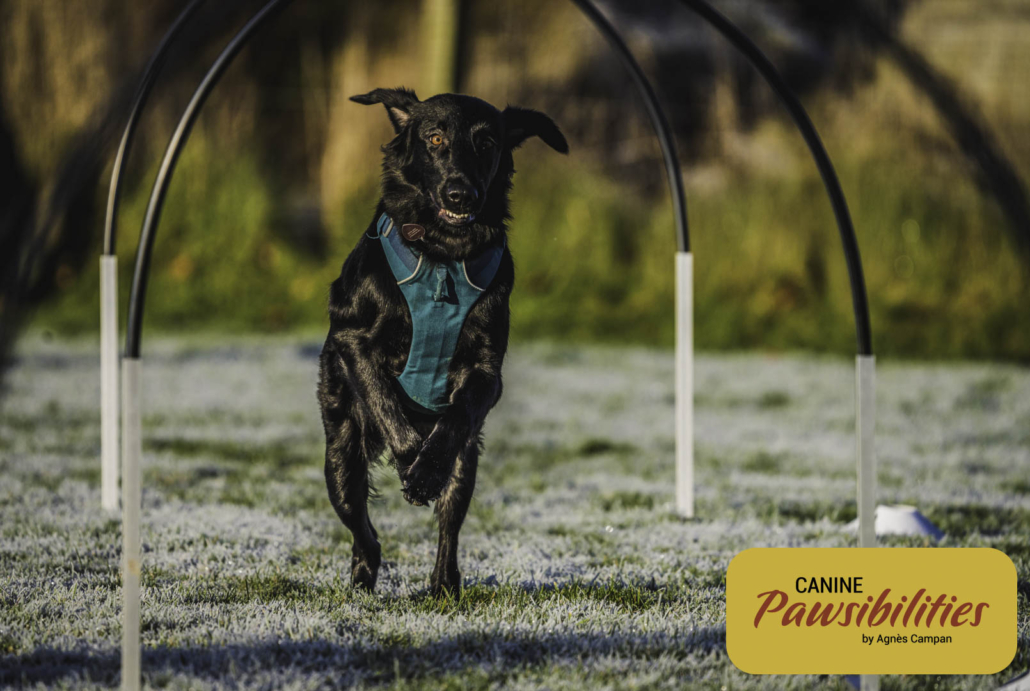
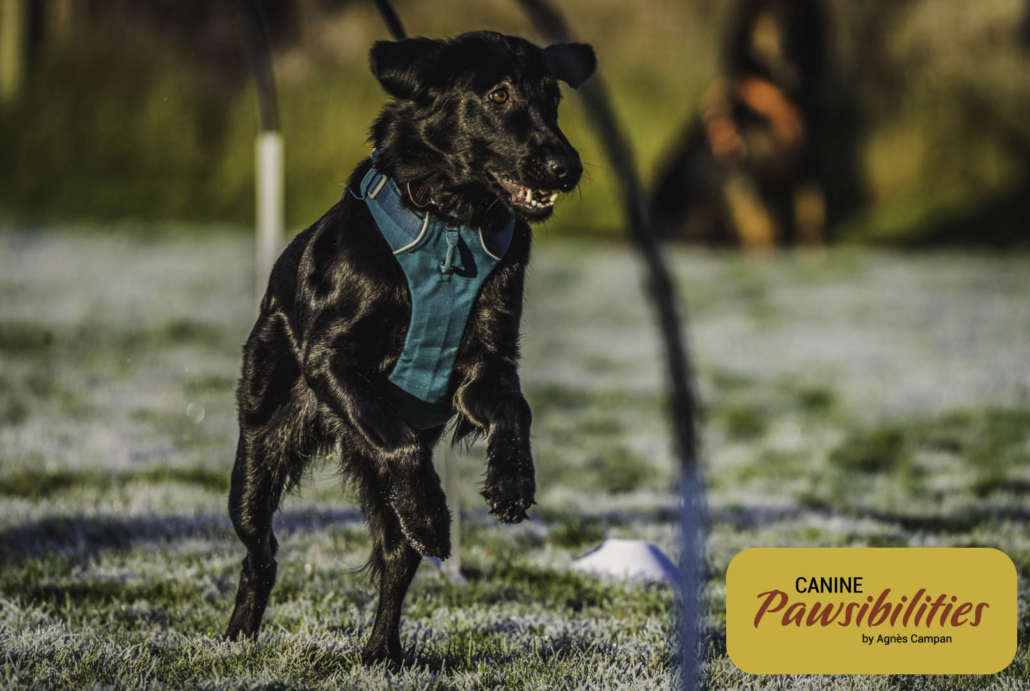
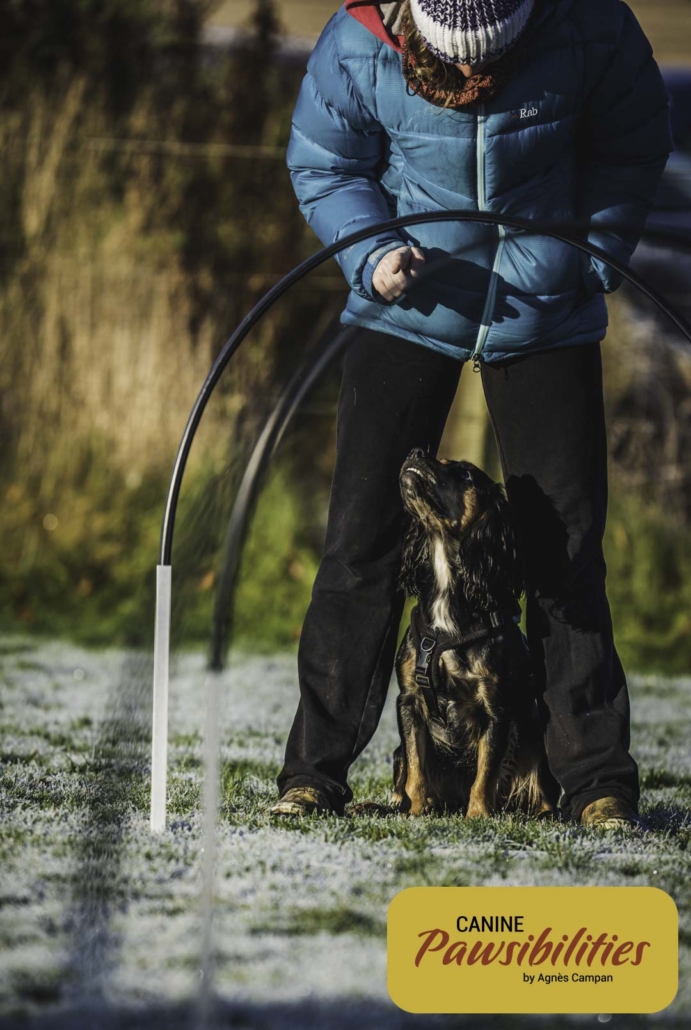
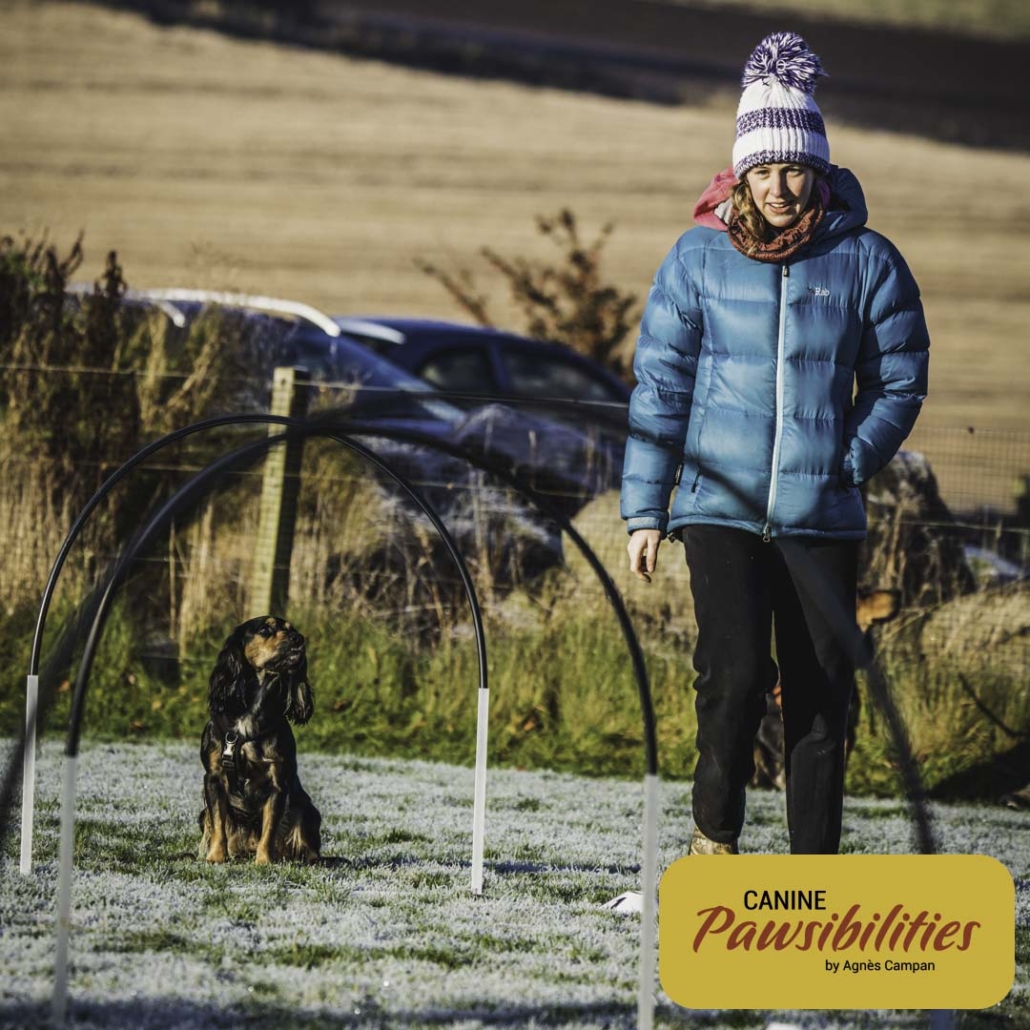
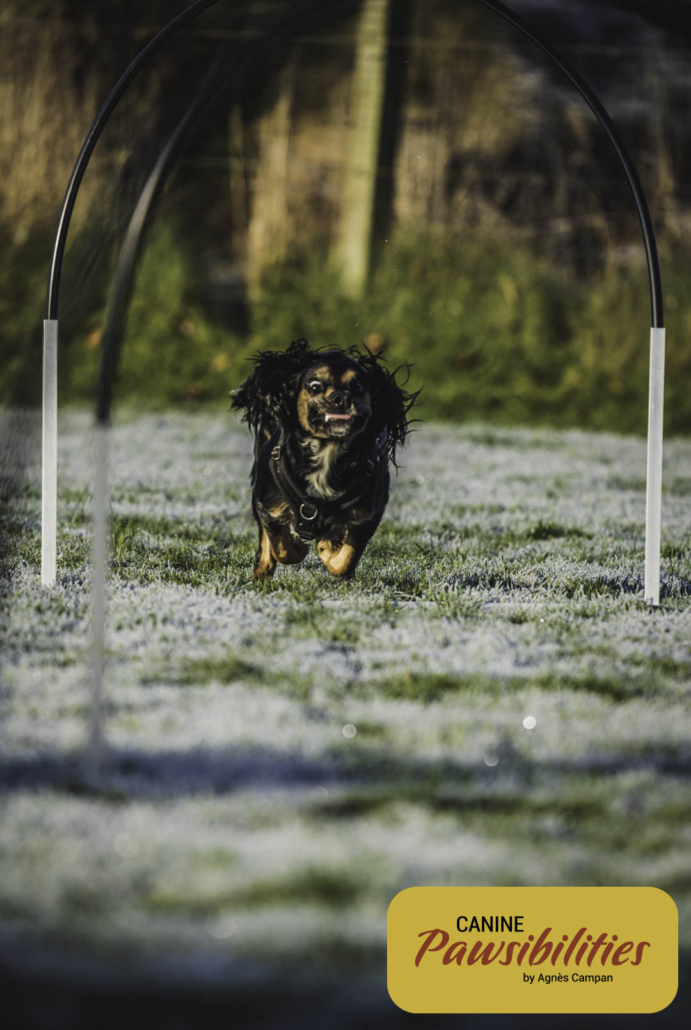
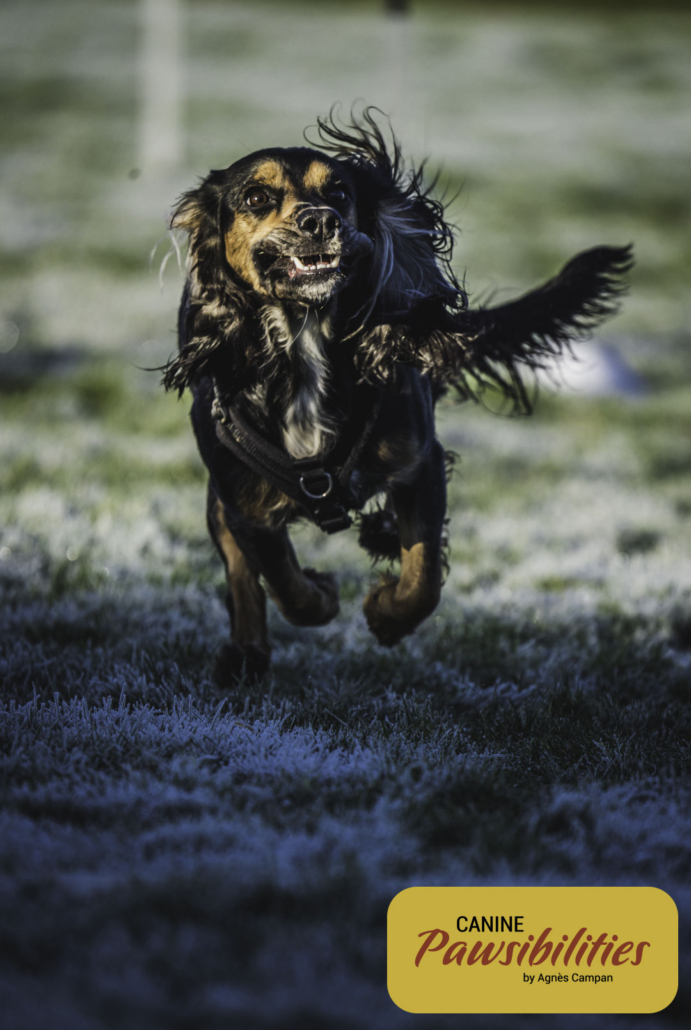
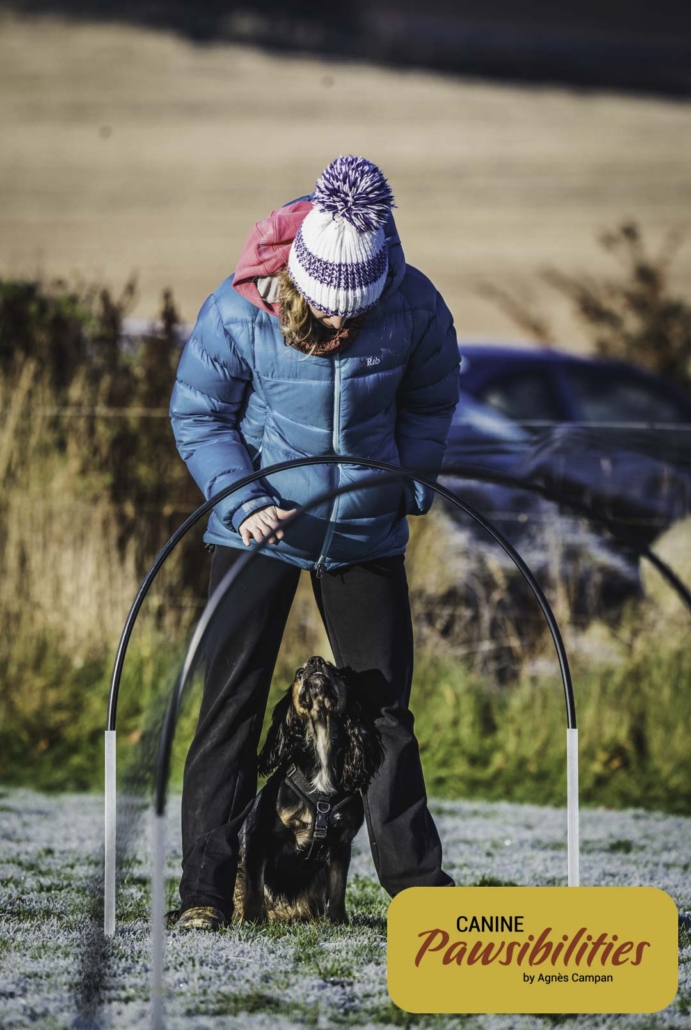
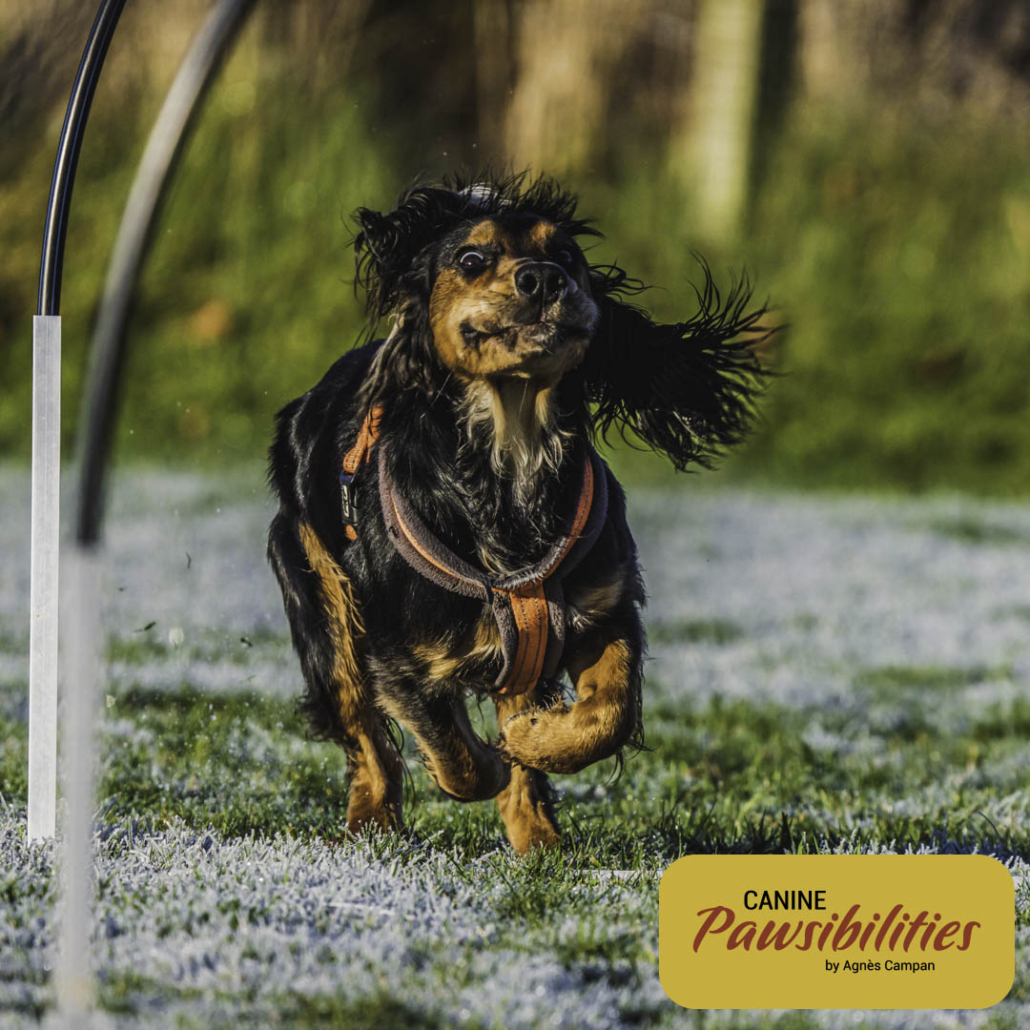
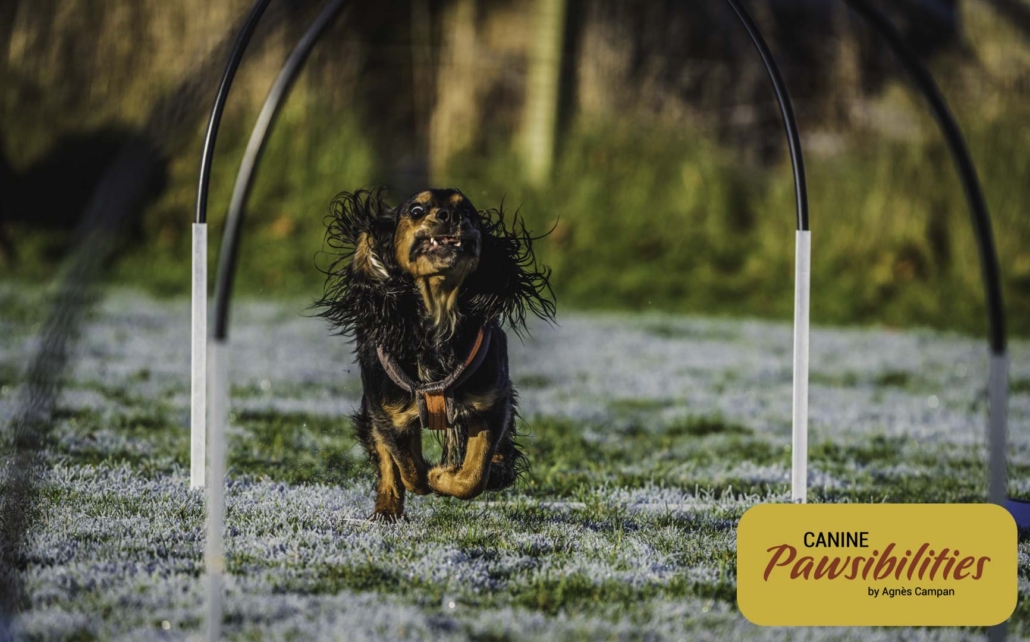
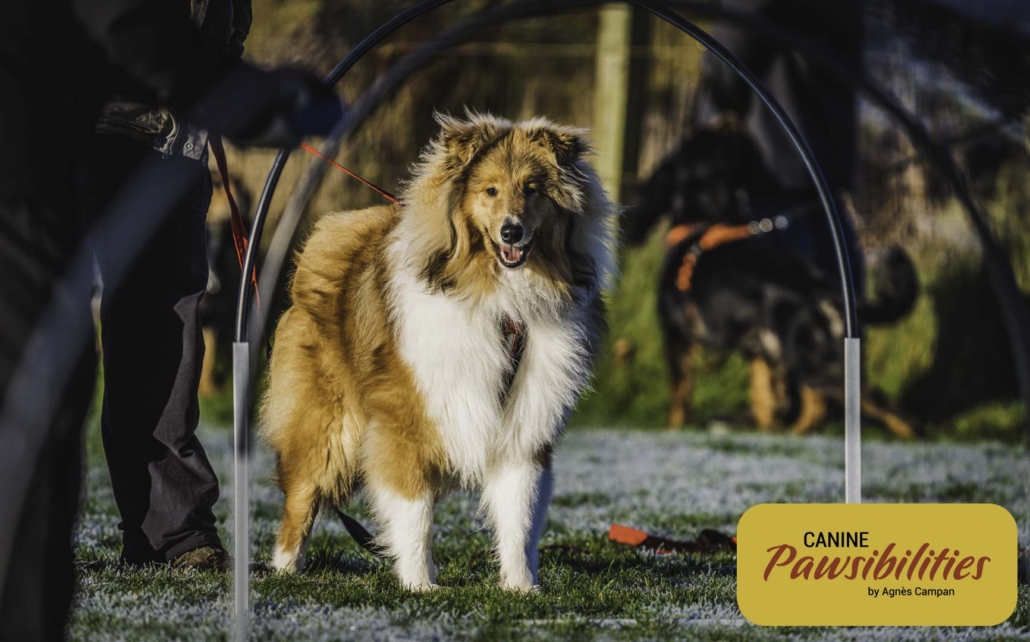
Hoopers in the Winter sunshine
A typical Canine Hoopers training session at CANINE Pawsibilities in Inverurie
I am so proud and amazed of how the teams are progressing and also how everybody has been (and still is) helping each other. A big thank you Euan Duff for the amazing photos!