
Why ball throwing may be doing more harm than good

We all love seeing our dogs joyfully chase a ball but did you know that repetitive ball throwing poses a significant risk to your dog’s health?
Handy ball throwers make throwing easy and allow owners to believe they can give their dog more beneficial exercise than would have otherwise been possible.
As a Canine Physiotherapist, I actually recommend against repetitive ball throwing. Here’s why it isn’t always the best for your dog’s long-term health:
Injury Risk:
High-speed ball chases often lead to sudden accelerations, decelerations, stops, sharp turns, and stretches. This puts immense strain on your dog’s joints, ligaments, and muscles (shoulders, elbows, hips, wrists, and toes), increasing the risk of injuries like cruciate tears, sprains, and early arthritis. Repeated ball chasing will lead to repetitive strain injuries, producing microtraumas within joints, leading to a greater risk of developing osteoarthritis.
Over-exercising:
During a repetitive game of fetch with a ball, it’s common for dogs to get much more intense exercise than they’re truly conditioned for. Dogs will often keep chasing a ball when physically tired, increasing the risk of injury.
Increased adrenaline levels from the excitement of chasing a ball can also mask the onset of pain, which can exacerbate injuries.
In periods of hot weather, there is also the added possibility of developing life‑threatening hyperthermia.
Developing obsessive-compulsive type behaviours:
For some dogs, this constant high‑adrenaline play can become an unhealthy obsession, contributing to over‑arousal and behavioural issues.
What to do for a ball‑loving dog?
• Vary the game: Mix in games of hide‑and‑seek with the ball, let your dog carry the ball on a walk, do scent work exercises which stimulate both body and mind, or a game of tug to offer more balanced exercise.
• Allow your dog time to warm and cool down: Warm‑up and cool‑down periods are essential to prepare your dog’s body for the demands of exercise and aid in recovery, respectively, by gradually increasing or decreasing physiological arousal and blood flow.
• Keep it short: If you must play fetch with a ball, keep the sessions brief and integrated with other activities. It should not be the principal form of exercise for your dog.
Ultimately, as a physiotherapist, I want your dog to have a long, healthy, and pain‑free life.
Opting for safer, more varied play will keep your dog happy, fit, and in top shape.
Could your dog be living with Hip Dyspasia?
Canine hip dysplasia is a common orthopaedic condition, especially in larger breeds, but it can affect dogs of all sizes. It develops when the ball and socket of the hip joint don’t fit together properly. Instead of moving smoothly, the joint rubs and grinds, leading to pain, inflammation, and eventually arthritis.
Sometimes the signs are subtle:
• A “bunny hopping” gait
• Stiffness after rest
• Reluctance to jump or climb stairs
• Lameness in the back legs
• Less enthusiasm for walks or play
While genetics is the biggest risk factor, rapid growth, poor diet, over-exercise during puppyhood, or being overweight can all contribute to the severity of the condition.
But here’s the good news: physiotherapy can make a real difference.
As a qualified canine physiotherapist, I help dogs with hip dysplasia live more comfortable, active lives. My treatment plans are tailored to each dog and can support both conservative management and post-surgical recovery.
Here’s how physiotherapy helps:
• Pain Relief – Using techniques like manual therapy, laser, or therapeutic ultrasound to reduce inflammation and discomfort
• Muscle Strengthening – Building stronger muscles around the hips improves joint support and reduces the strain on compromised joints
• Mobility & Flexibility – Stretching and movement work helps maintain joint range and prevent secondary stiffness
• Improved Movement & Balance – Proprioception and coordination exercises help dogs move more confidently
• Weight Management Support – I can guide you on safe, joint-friendly exercise and help keep your dog at a healthy weight
• Owner Education – You’ll get tailored advice on home exercises, activity pacing, and adaptations like ramps or supportive bedding
Hip dysplasia doesn’t have to mean a life of discomfort. With the right support, your dog can still enjoy walks, play, and all the things they love.
If you think your dog may be struggling – or you want to give them the best chance at a pain-free, mobile life – I’d love to help. See less
Keeping Canine Athletes in Top Form
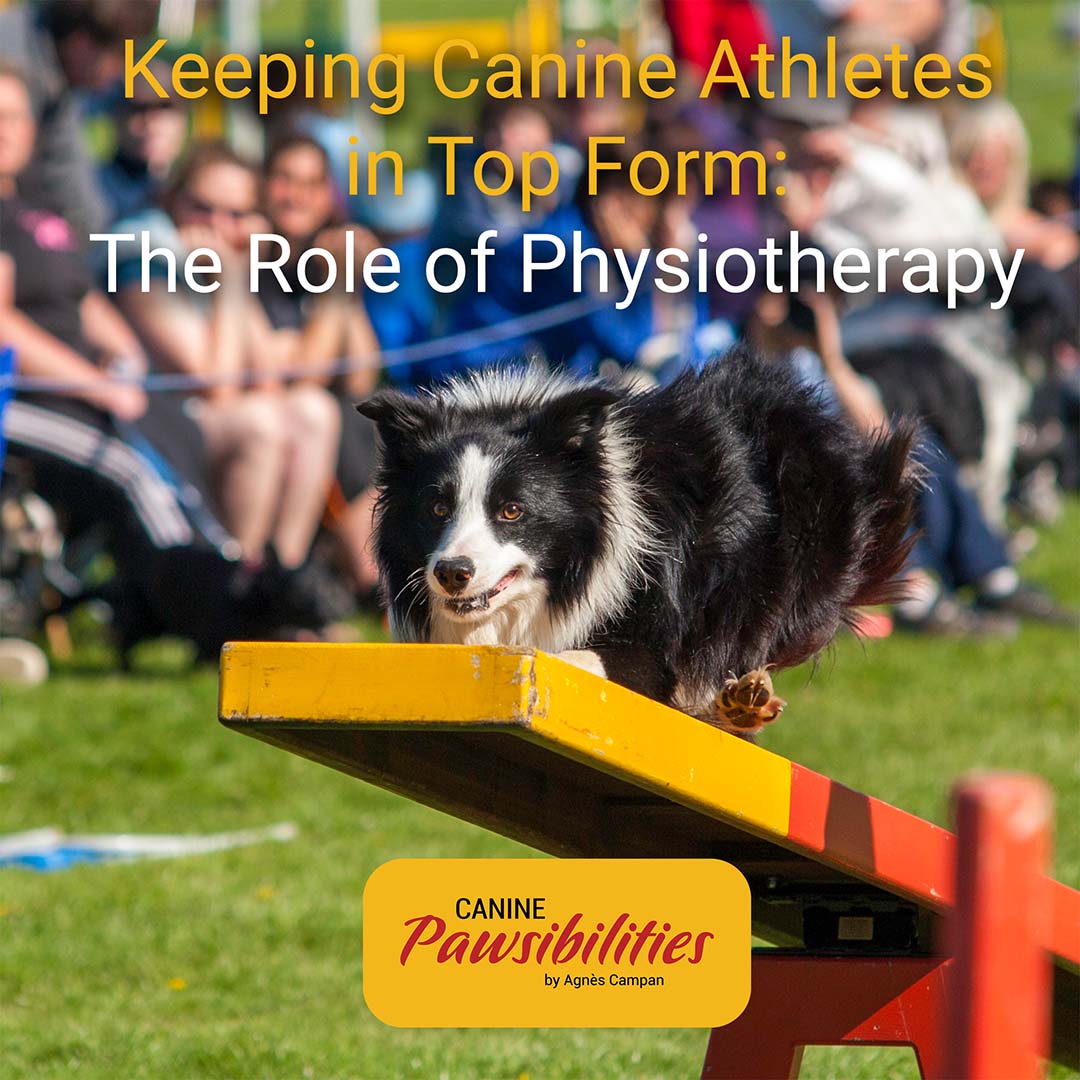
Sporting and working dogs are particularly at risk for acute, traumatic injuries.
Typical issues we see are:
- Muscle strains
- Ligament sprains
- Paw problems
- Spinal injuries
Insufficient muscle conditioning and/or muscular imbalances increase the risk of injury. Predisposition factors such as limb inflexibility or hypermobility, inadequate warm-up, and muscle fatigue can increase the risk of injury.
Did you know that Canine Physiotherapy plays a crucial role in both preventing and treating these issues?
Canine Physiotherapy for Prehabilitation – To decrease the risks of injuries occurring:
This involves identifying and addressing musculoskeletal weaknesses and overcompensation dysfunction — where muscles are overworked to compensate for reduced joint function or weakness in other areas.
Canine Physiotherapy for Rehabilitation – Speeding up recovery post-injury or surgery:
This includes reducing pain and swelling and restoring natural range of motion. It also focuses on rebuilding strength, balance, and proprioception to restore the dog’s natural gait and freedom of movement.
Don’t let a sports injury sideline your dog.
Contact CANINE Pawsibilities today to discuss how our tailored physiotherapy plans can help!
Why I became a Canine Physiotherapist
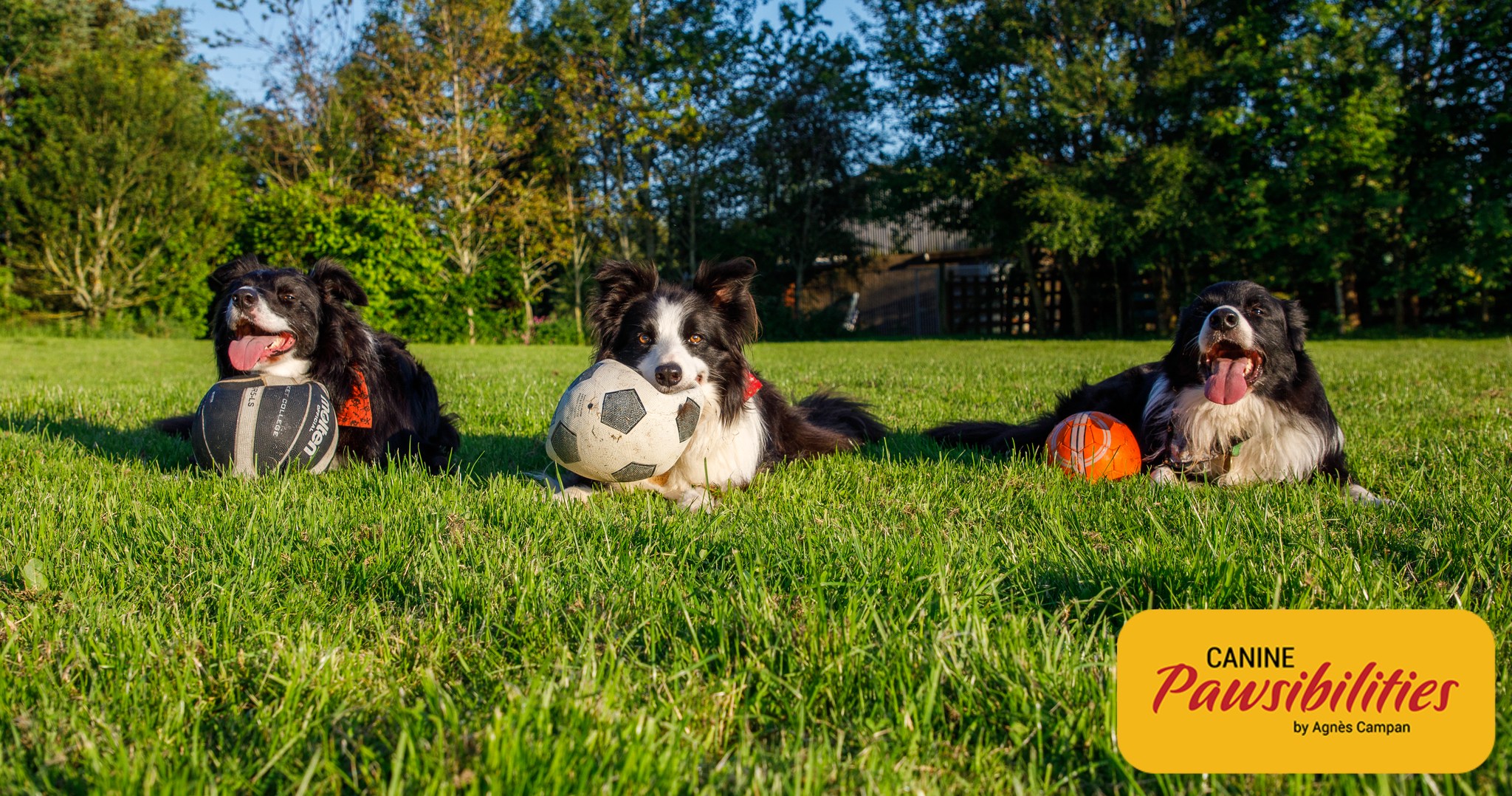
My journey to becoming a canine physiotherapist was deeply personal. It started when my agility partner, Manouk, was diagnosed with a lumbosacral problem, forcing his retirement. I was devastated and determined to find ways to help him manage his condition and maintain his quality of life. This led me down a path of research and learning. During this time, Manouk’s son Mehwi was diagnosed with hip dysplasia requiring extensive surgery and rehabilitation.
These experiences solidified my passion. I needed to know how to provide effective rehabilitation and aftercare. I pursued my education and certifications in canine physiotherapy, driven by the desire to help dogs like Manouk and Mehwi. I now have the privilege of helping other dogs and their owners navigate similar challenges.
Another year of Mentorship with Onlinepethealth
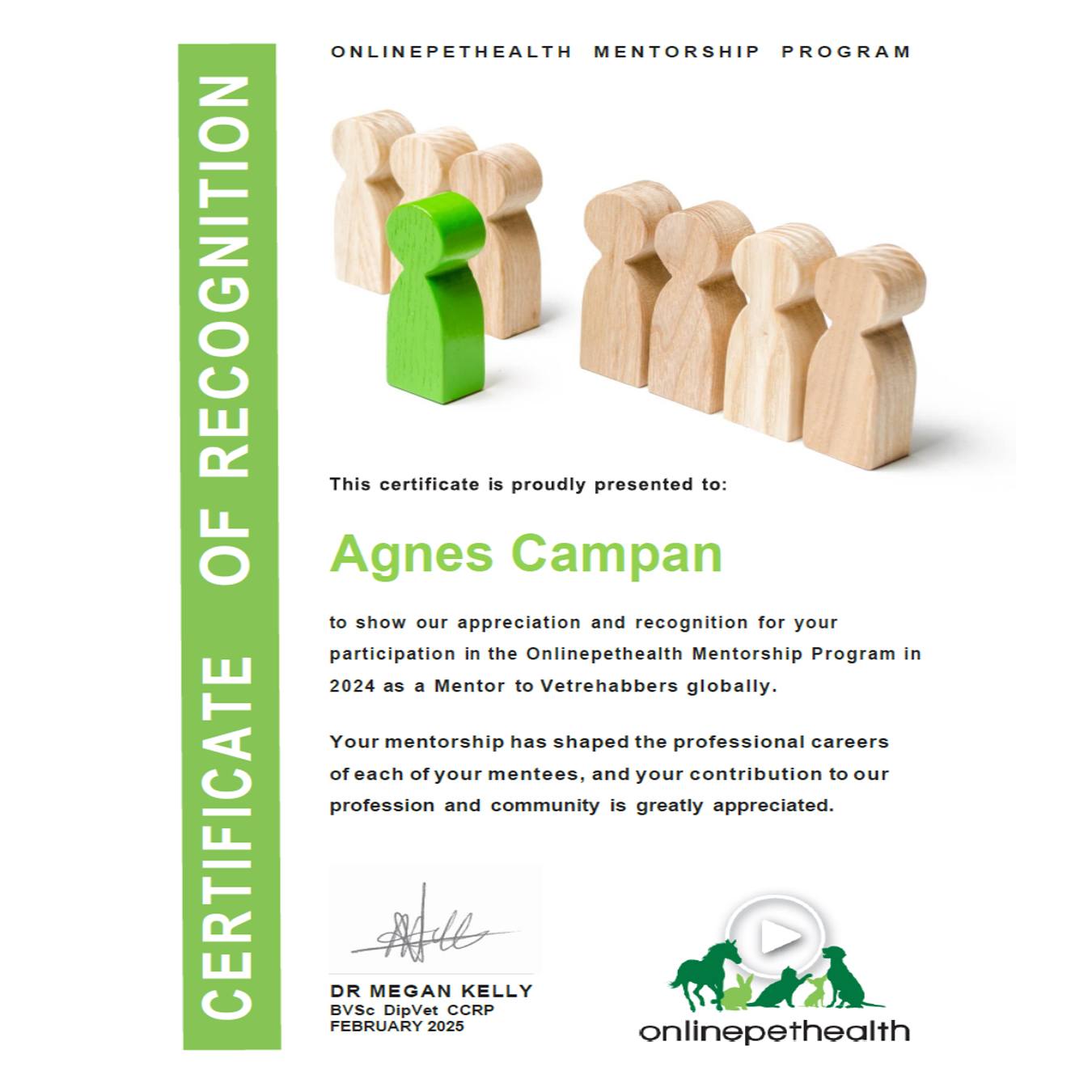 Reflecting on another year of mentorship with Onlinepethealth , I’m honoured to have received my 2024 Mentor Certificate as a reminder of our incredible journey.
This past year has brought new challenges and triumphs, and I’ve been continually inspired by the dedication and passion of all within the Onlinepethealth community. Here’s to another year of learning, sharing, and making a tangible difference in the lives of our canine patients.
Your Guide to Canine Vestibular Disease
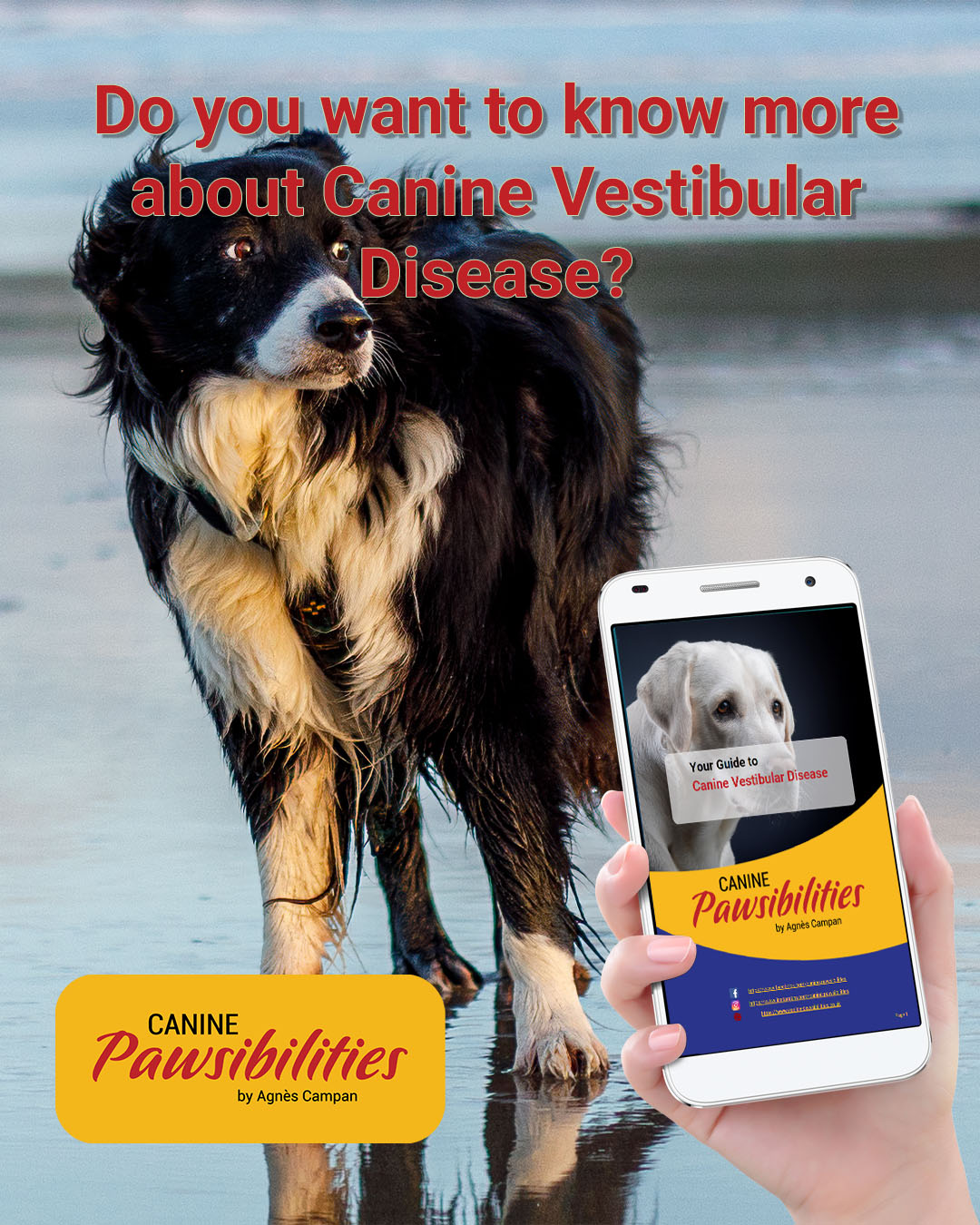 Your Guide to Canine Vestibular Disease
We’re excited to announce the release of our new ebook: “Your Guide to Canine Vestibular Disease”
If your dog has recently been diagnosed with vestibular disease, or if you suspect they might be showing symptoms, this guide is for you! We understand how worrying it can be to see your furry friend feeling dizzy, unsteady, or tilting their head. That’s why we created this resource—to help you support them through their recovery.
Inside the ebook, you’ll learn:
What is Canine Vestibular Disease?
We explain this condition in simple terms—so you can understand what’s happening in your dog’s body.
Different Types of Vestibular Disease
Discover the differences between peripheral and central vestibular disease and how they affect your pup.
How Physiotherapy Can Help
Learn how physiotherapy can improve balance, coordination, and confidence—plus, get exercises to try at home!
Practical Tips for Home Care
From creating a safe environment to managing symptoms, we share expert advice to make your dog’s recovery smoother.
This ebook is your comprehensive guide to understanding and actively participating in your dog’s recovery journey
Got questions? We’re here to help! Feel free to reach out—we’re dedicated to supporting you and your pup every step of the way.