More Than Just a Jump

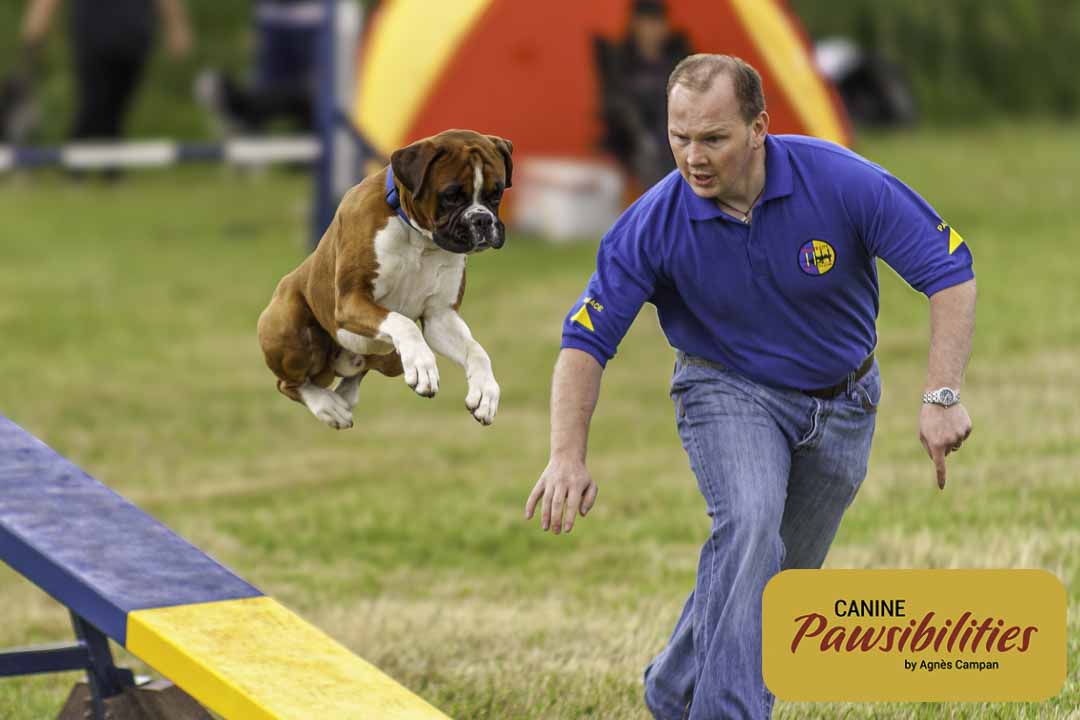
In agility, a jump might look simple… but there’s so much more going on!

How a dog takes a jump depends on:

  • The angle and speed of their approach
  • the direction the jump must be taken
  • where the next obstacle is placed
  • the verbal cues and body language from their handler

A jump could be straight, angled, tight, extended, sliced, or part of a tricky sequence—and each one requires clear communication and training. Teaching a dog all these options takes time and teamwork.

That’s what makes agility so much fun—it’s not just about clearing the bar, it’s about how you get there!

Thinking about giving agility a try with your dog? We’d love to help you get started!
Contact us: info@pawsibilities.co.uk

Which are your dog’s favourite toys?

When people ask what to bring along to training sessions —whether it’s to our Agility, Hoopers, 1-2-1 Life Skills, Puppy, or Junior classes—we always say: Bring some of your dog’s favourite toys
Of course, as dog owners, we all have that overflowing toy box, but we want to know: What’s the toy that your dog really loves
  • The squeaky one?
  • The half-destroyed teddy?
  • The chewed-up ball?
  • A stolen sock?

Ever wondered how good your dog’s sense of smell is

Have you ever wondered just how powerful a dog’s sense of smell truly is? It’s a complex, almost magical ability that allows them to navigate the world with incredible accuracy in ways we can barely imagine.
A couple of years ago, I had a perfect example of this during an agility training session with a spaniel. It was a still, windless day, and the dog was training with Iain at the far end of our agility field. I quietly took a sandwich out for Iain and left it on a fence post at the other end of the field, approximately 60-70 metres away. The dog was facing away from me and concentrating on an agility exercise at the time, so it didn’t see or hear me do this.

Less than three minutes later, the spaniel was zig-zagging across the entire field, triangulating on an invisible scent trail that took it to the sandwich. It was an incredible demonstration of how dogs “see” with their nose.

Even without wind, scent molecules from the sandwich were released into the air, slowly creating a scent plume. A dog’s nose has up to 300 million olfactory receptors, compared to our measly 6 million. This allows them to pick up on even the faintest of these molecules.
So, the next time you see your dog sniffing every blade of grass, remember they’re not just being curious. They’re processing a world of information we’ll never fully comprehend, all through the power of their amazing nose.

If you would like to explore the power of your dog’s nose, or alternatively, if you think you may be interested in dog Agility (Sorry, no Sandwiches included), please get in contact to find out more about our Scent work or Agility training classes.


Want a fun way to bond with your dog and keep them active?

At CANINE Pawsibilities, we offer engaging agility training suitable for all breeds and skill levels. Whether you’re new to agility or looking to sharpen your dog’s existing talents, we can help you!

Why Choose Agility?

  • A great physical and mental workout

  • Builds confidence and improves focus

  • Strengthens obedience and teamwork

  • Most importantly… IT’S FUN!

Contact us today for details: info@pawsibilities.co.uk

A blur of motion – the agility weave poles

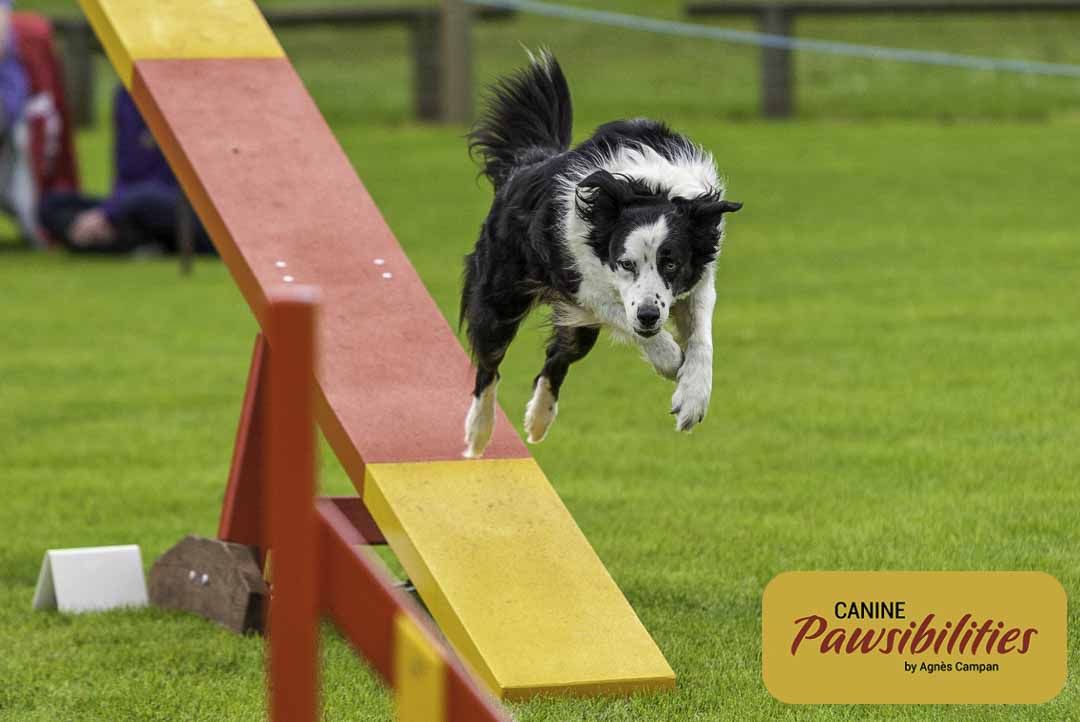
When contact training doesn’t go to plan

Ever wondered what goes on behind those seemingly flawless agility runs we see posted online? Last week, I described the contact equipment used in dog agility, but this week, let’s be real. It’s not always perfectly positioned paws!
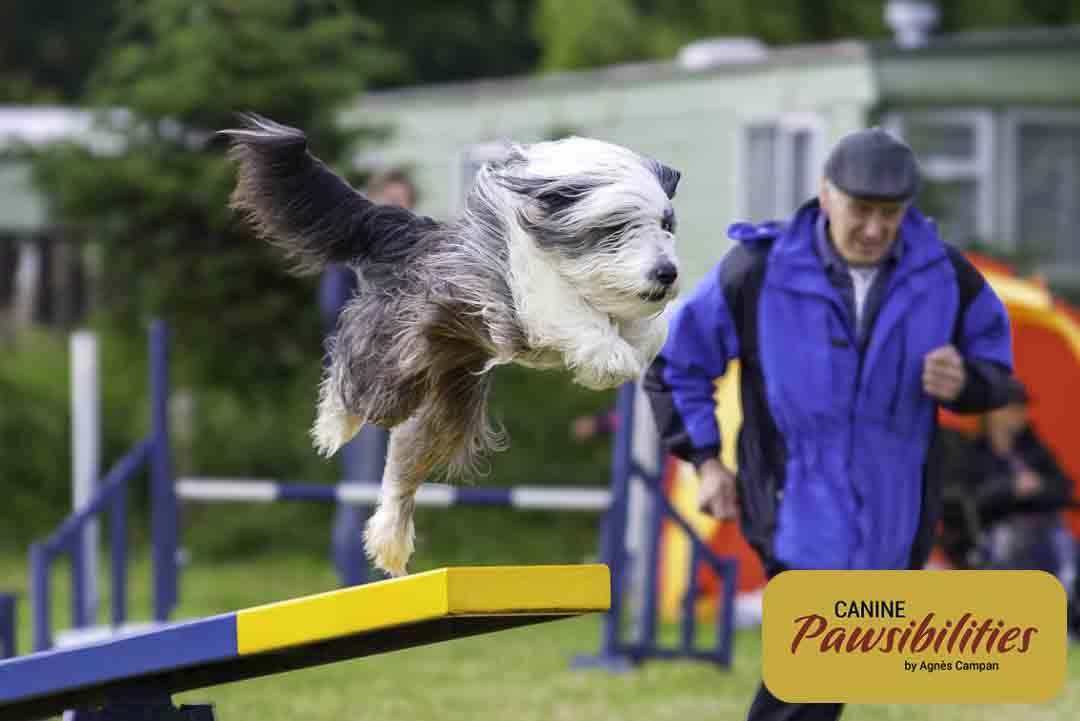
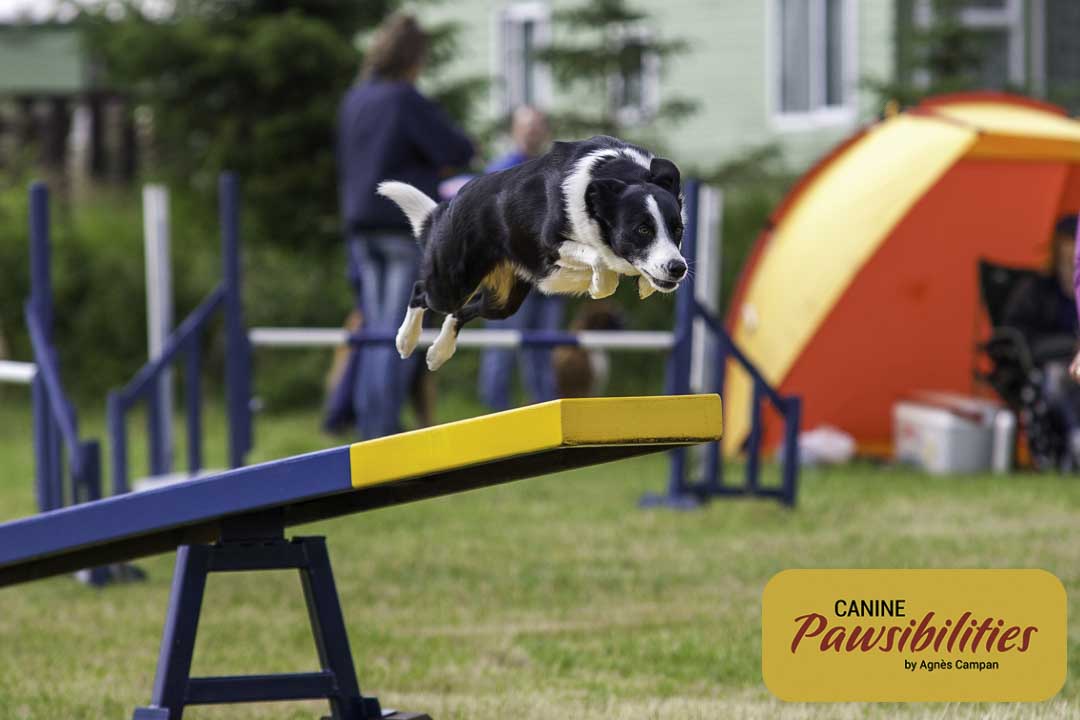
Behind every seemingly flawless run you may see, there are hours of dedicated training to get to this level of ability.
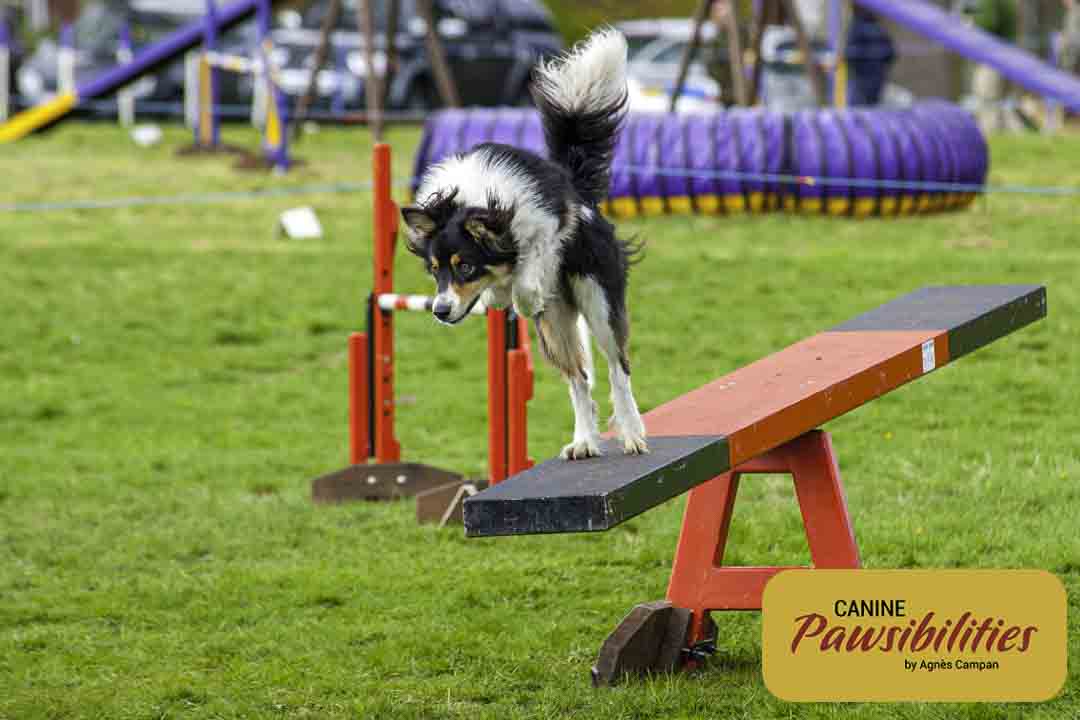
Instead of those picture-perfect moments, I thought it would be fun to share a little glimpse into the sometimes-frustrating reality of agility contacts. The seesaw seems to have a particular flair for the dramatic!
While these moments might make handlers sigh or even despair (we’ve all been there!), They’re important when it comes to learning. They highlight where our amazing dogs might need a little extra support, where our cues could be clearer, where we are being inconsistent with our commands or expectations, or where we are pushing a little bit too hard.
Let’s be honest, a missed contact may cause frustration, but they make for some pretty dramatic photos!

The Agility Contact Obstacles

A key element of Dog agility that adds both challenge and excitement is the contact equipment. These obstacles require precision, speed, and excellent communication between the handler and dog.

What are the Contact Obstacles?

There are typically three main contact obstacles in agility:
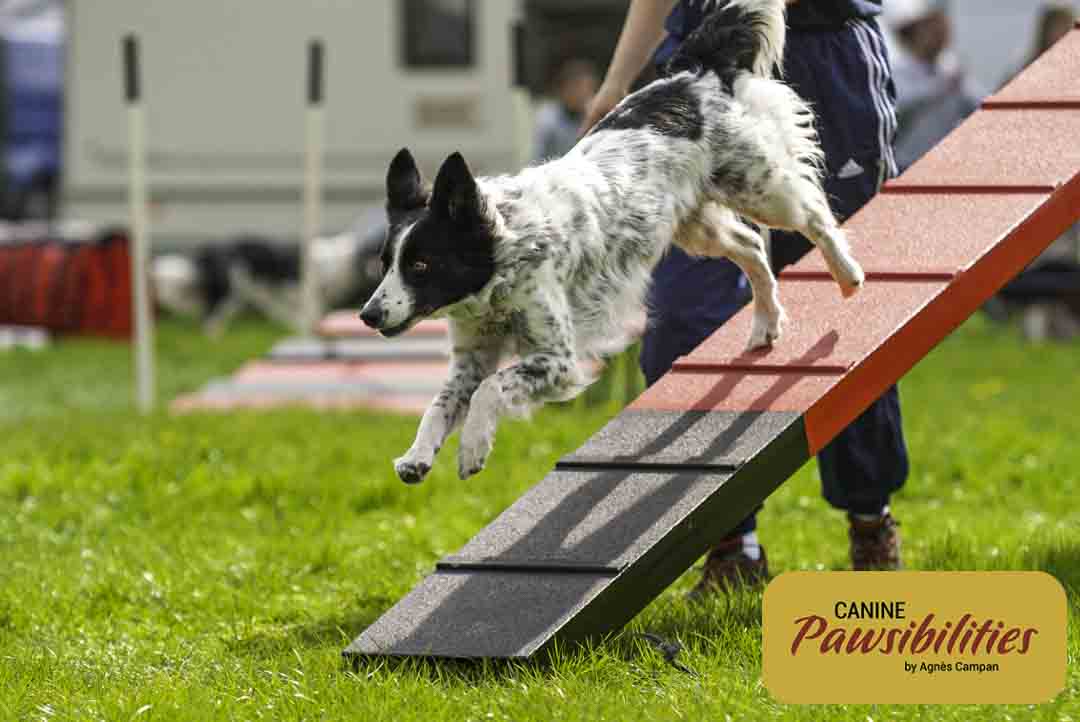
  • The A-Frame: Two ramps joined at the top, forming an “A” shape. Dogs run up one side and down the other.
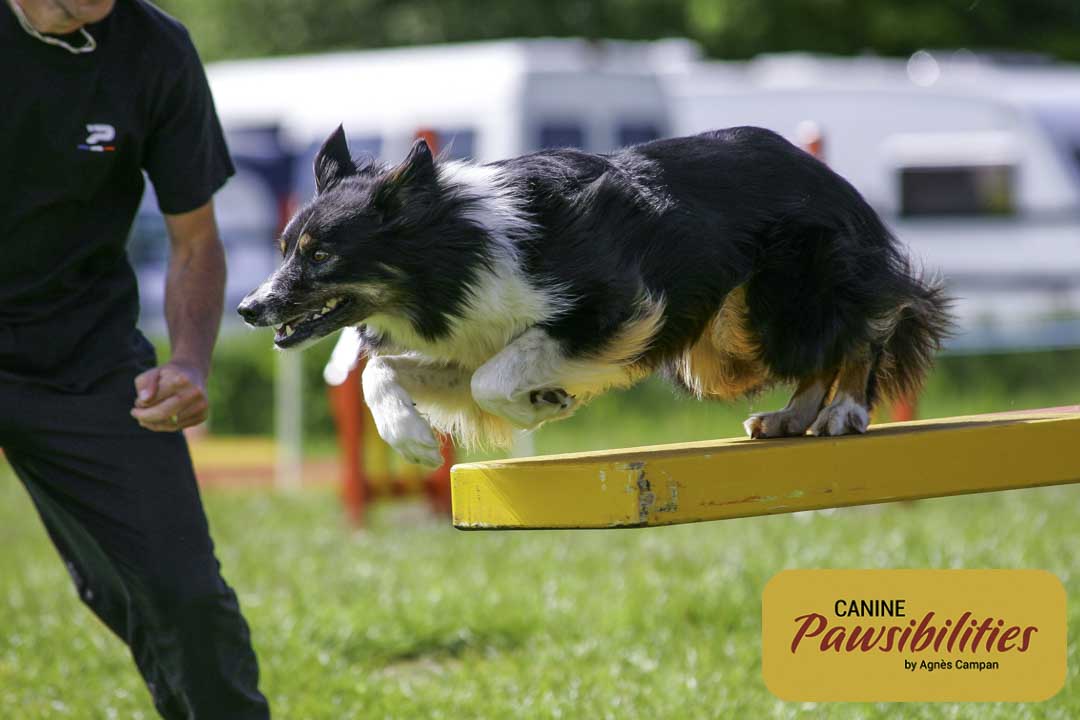
  • The Dogwalk: A raised plank with ramps at either end. Dogs run up one ramp, across the plank, and down the other.
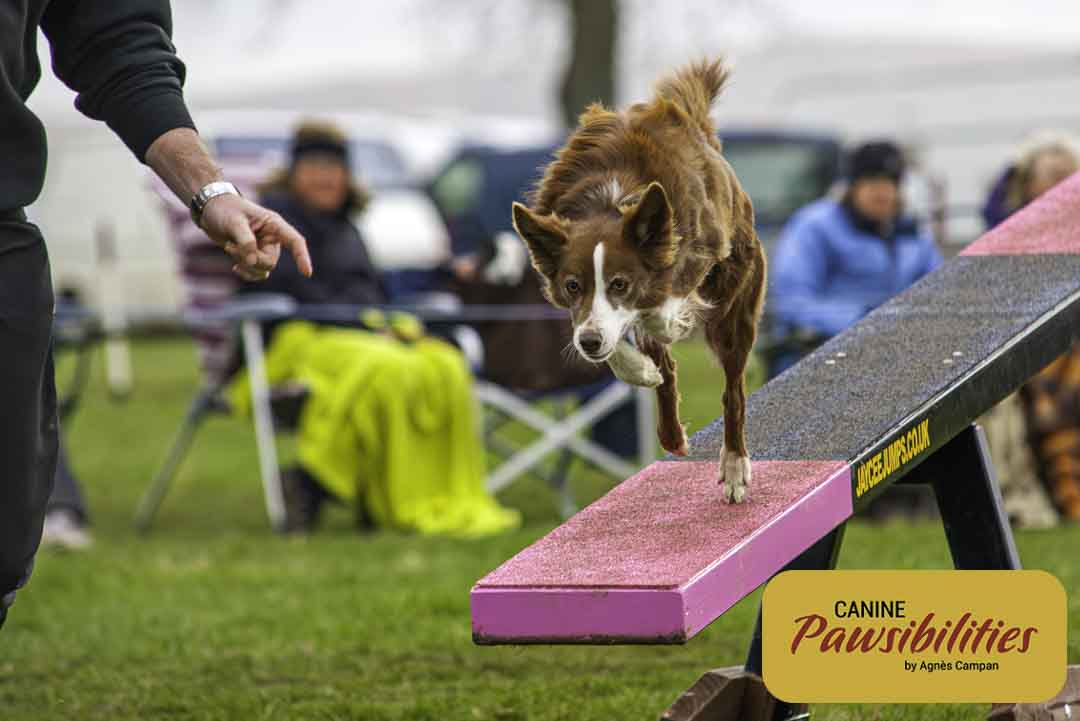
  •  The SeeSaw: A long plank balanced on a central pivot. The dog runs up one end, causing it to tip to the ground after they have crossed the pivot point.

How are they used in a Course?

Contact obstacles are strategically placed throughout an agility course, often requiring dogs to approach them at different angles and speeds. Handlers use verbal cues and body language to guide their dogs onto and across the equipment. The flow and speed at which a dog can navigate these obstacles smoothly contribute significantly to their overall course time.

Marking the Crucial “Contact Zone”

A vital safety element of contact equipment is the clearly marked contact zone. This is a painted area, usually in a contrasting colour at either end of each piece of contact equipment. For a clear run, at least one paw of the dog must touch within the contact zone as they descend off the Dog Walk or A-Frame, and at least one paw must touch the contact zone at either end of the SeeSaw. Failure to do so results in a fault. This rule ensures the dog maintains control and prevents them from leaping off the obstacle, minimizing the risk of injury.

The Thrill of Watching Contact Equipment


Watching a skilled agility dog navigate the contact equipment is truly exciting! The speed and focus as they race up and over the A-Frame, the steady balance as they stride across the Dogwalk, and the dramatic tipping of the SeeSaw create moments of pure athleticism and teamwork. The precision required to hit the contact zone while maintaining speed adds a layer of technical difficulty that is fascinating to observe. A perfectly executed contact obstacle is a testament to the dog’s training and the handler’s skill.

Skills Required for Success

Dogs need a variety of skills to excel on contact equipment:
  • Speed and Agility: To approach and traverse the obstacles efficiently.
  • Balance and Coordination: Crucial for navigating the ramps, plank, and the moving SeeSaw.
  • Body Awareness: Understanding their body position to ensure they hit the contact zone.
  • Focus and Obedience: To listen to the handler’s cues and maintain focus despite the excitement of the course.
  • Confidence: To tackle the elevated and sometimes moving surfaces without hesitation.
  •  Impulse Control: To resist the urge to jump off before hitting the contact zone.
Contact equipment are more than just obstacles; they are tests of a dog’s athleticism, training, and partnership with their handler. The precision, speed, and occasional drama make them a captivating and crucial part of the thrilling sport of dog agility!

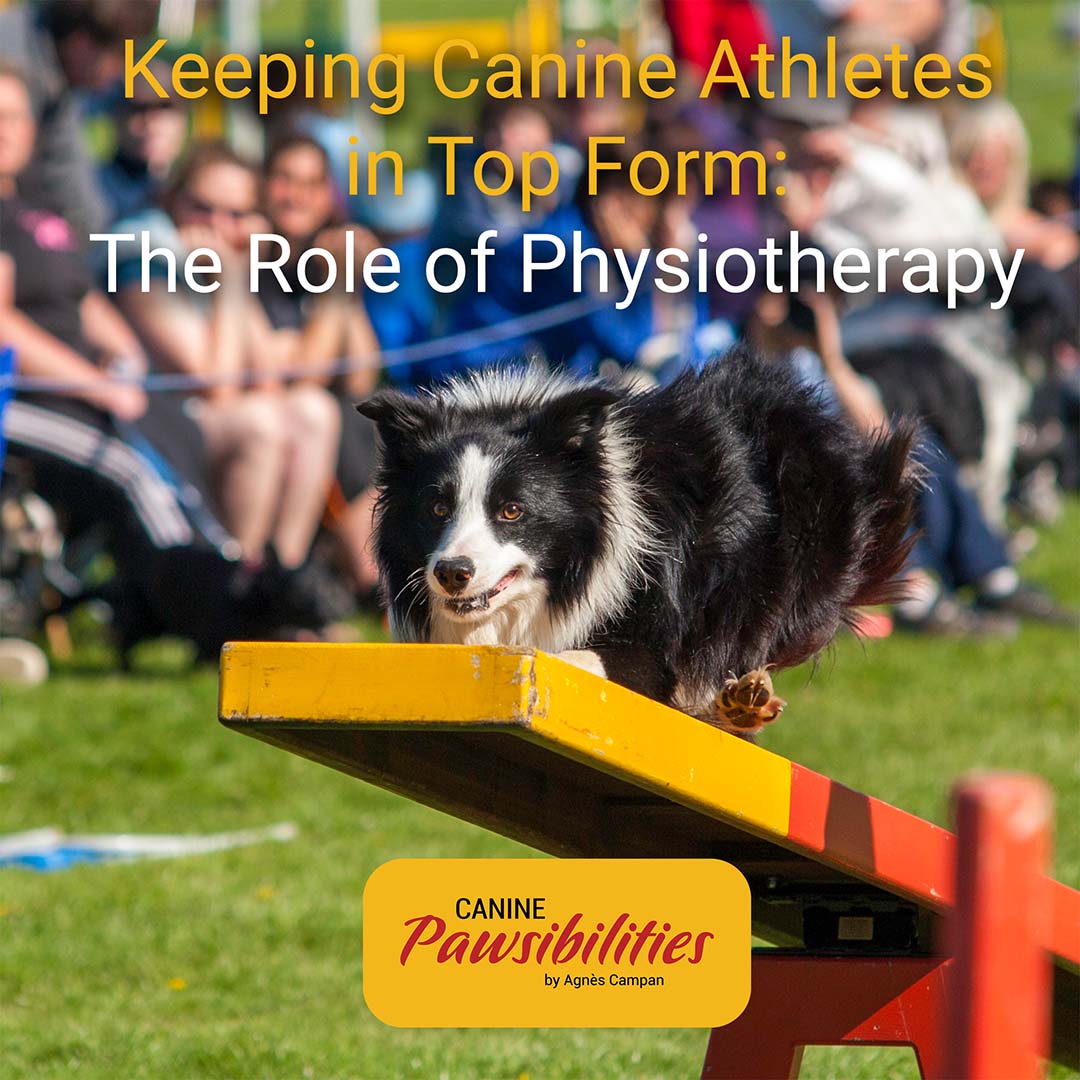
Keeping Canine Athletes in Top Form

Sporting and working dogs are particularly at risk for acute, traumatic injuries.

Typical issues we see are:

  • Muscle strains
  • Ligament sprains
  • Paw problems
  • Spinal injuries

Insufficient muscle conditioning and/or muscular imbalances increase the risk of injury. Predisposition factors such as limb inflexibility or hypermobility, inadequate warm-up, and muscle fatigue can increase the risk of injury.

Did you know that Canine Physiotherapy plays a crucial role in both preventing and treating these issues?

Canine Physiotherapy for Prehabilitation – To decrease the risks of injuries occurring:

This involves identifying and addressing musculoskeletal weaknesses and overcompensation dysfunction — where muscles are overworked to compensate for reduced joint function or weakness in other areas.

Canine Physiotherapy for Rehabilitation – Speeding up recovery post-injury or surgery:

This includes reducing pain and swelling and restoring natural range of motion. It also focuses on rebuilding strength, balance, and proprioception to restore the dog’s natural gait and freedom of movement.

Don’t let a sports injury sideline your dog.

Contact CANINE Pawsibilities today to discuss how our tailored physiotherapy plans can help!

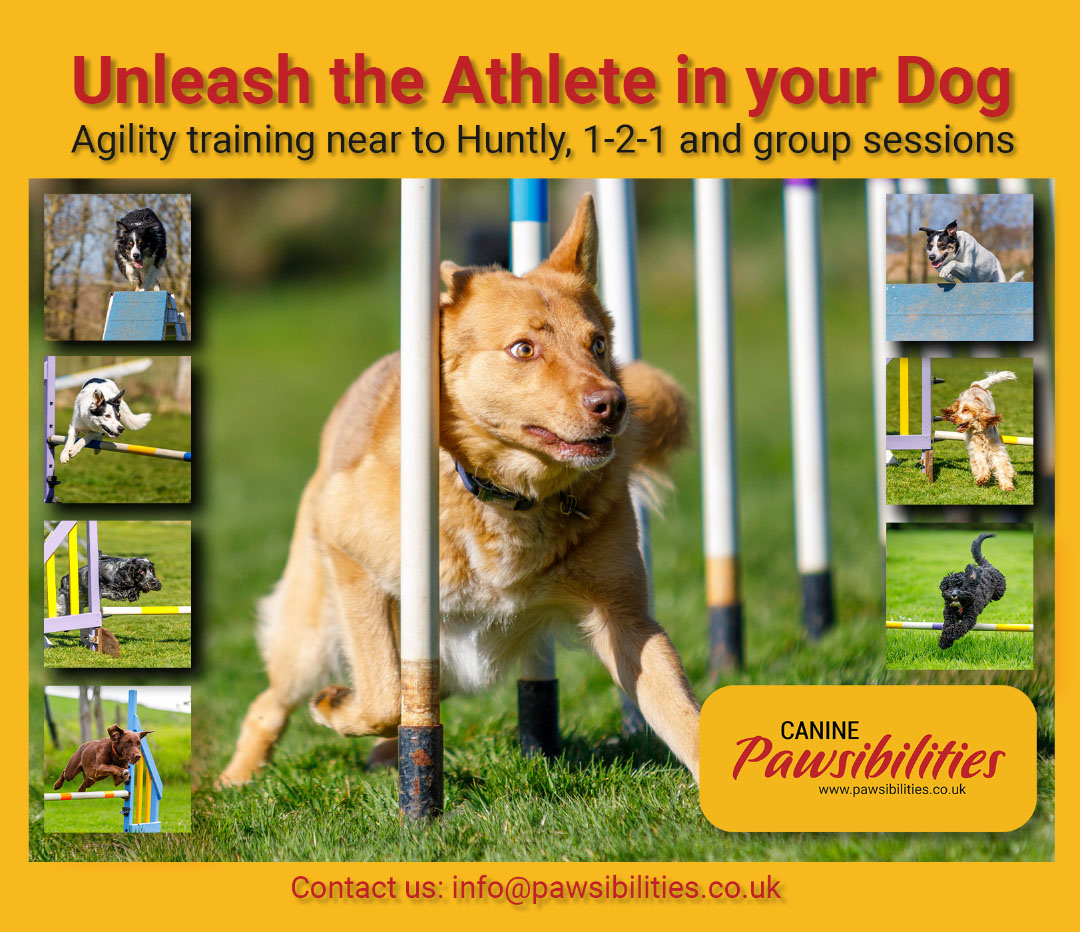
Dog Agility in the Scottish Sunshine!

Dog Agility is fun no matter the weather, but training under cloudless skies has to be the best. These moments are what agility is all about: building connection, confidence, and control whilst soaking up the sunshine.
 
Thanks to Coots, Holly, Fergus, Spot, Willow and Ziggy (and their handlers) for such enjoyable training sessions!

Autumn Agility Training